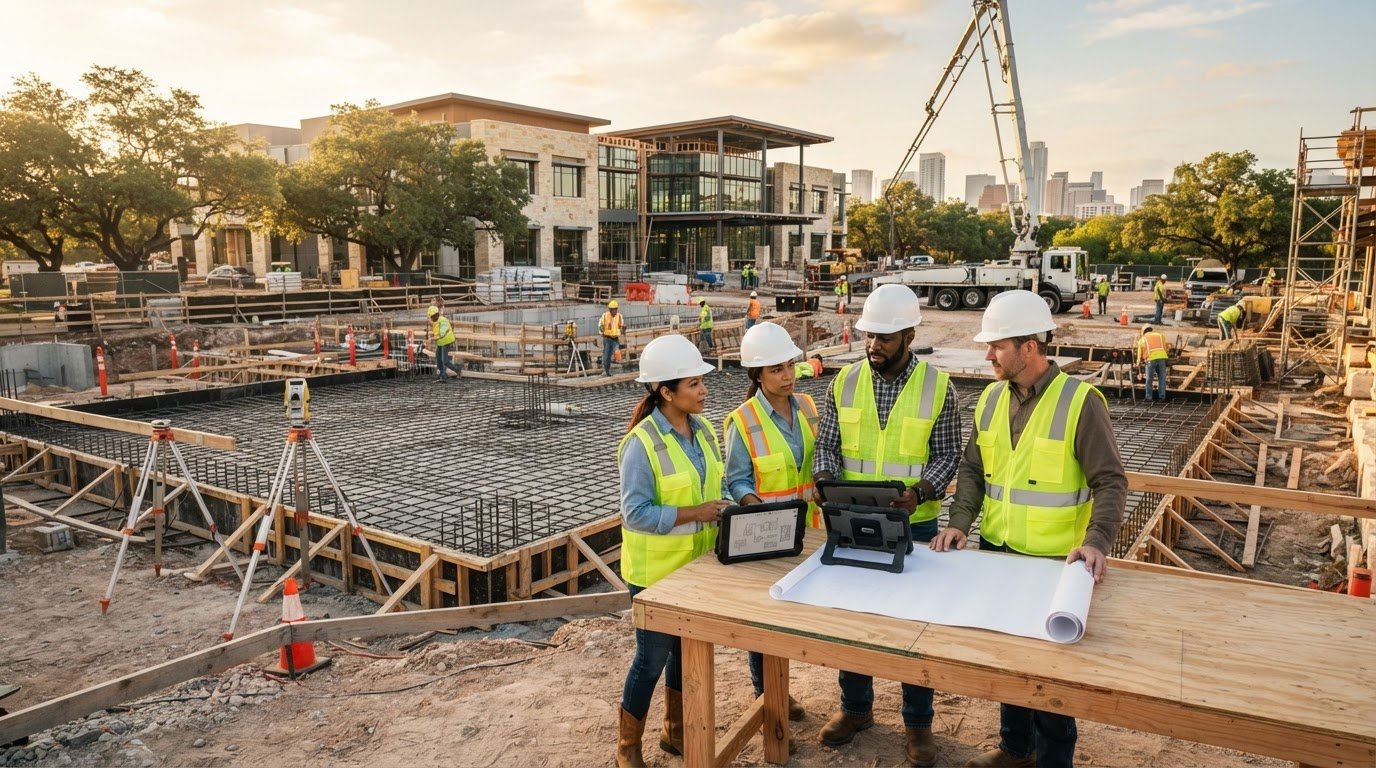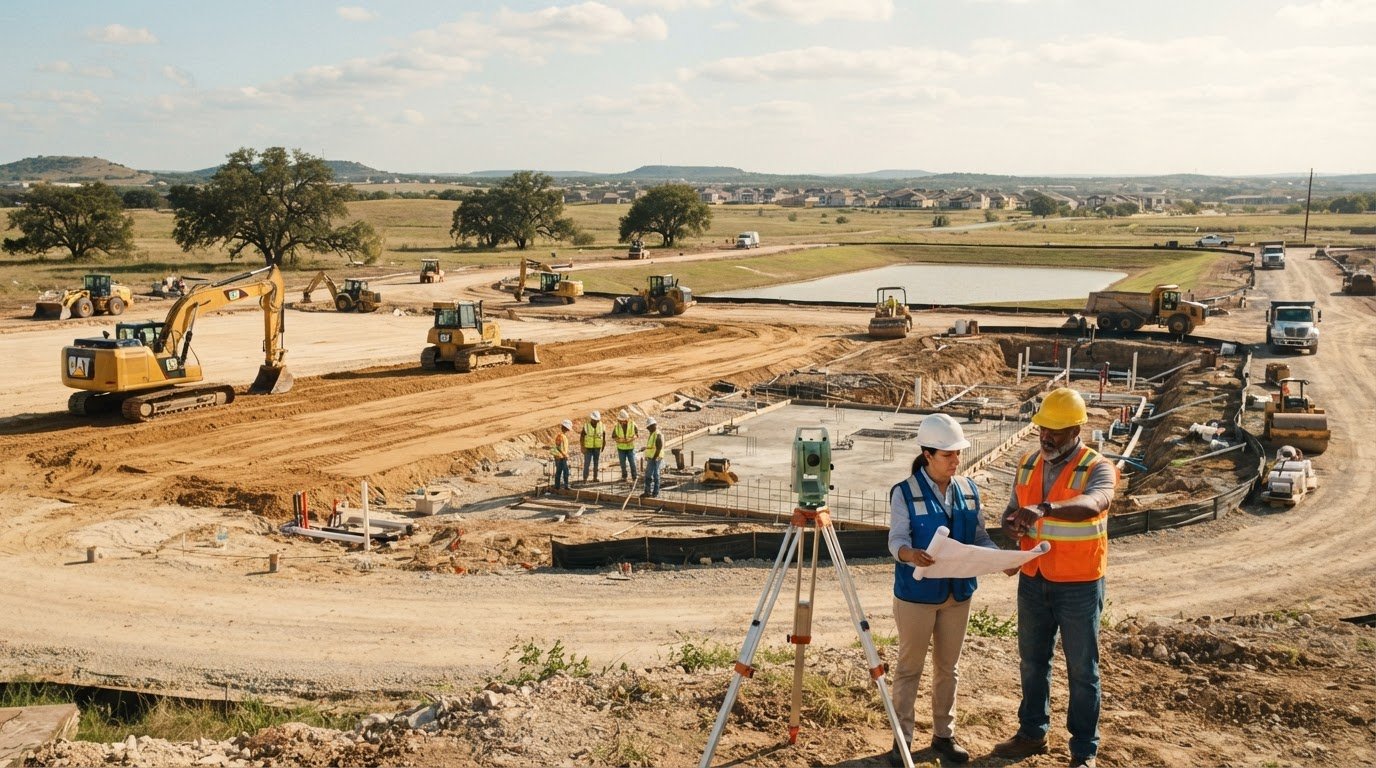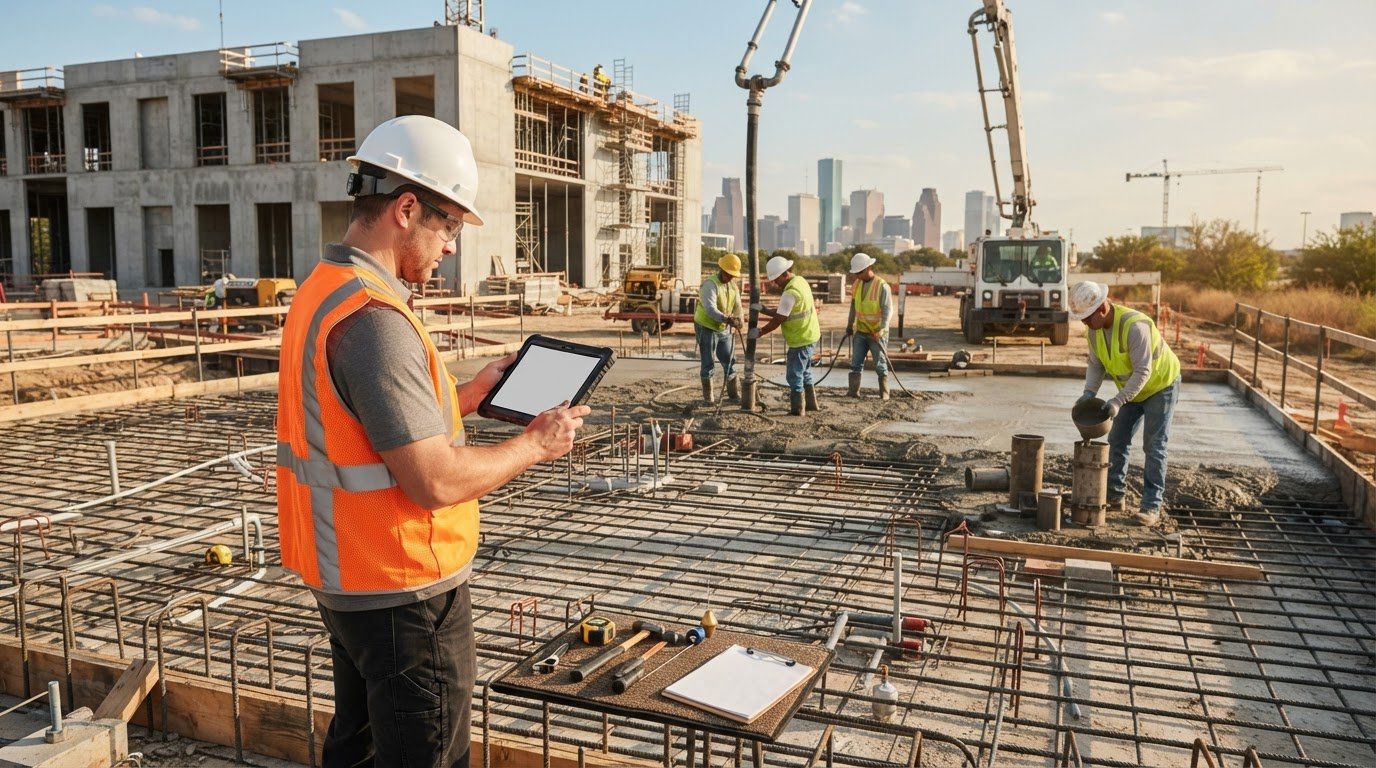
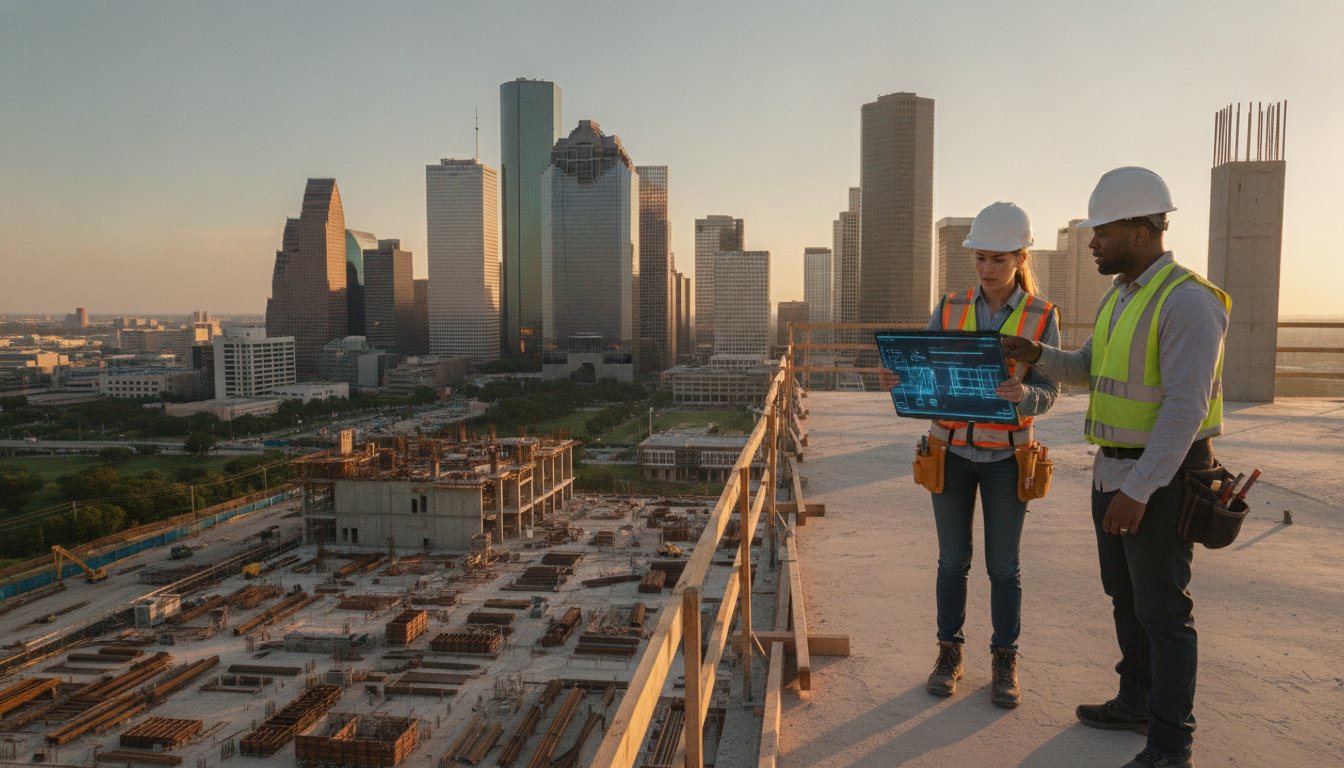
With Texas construction volume tripling to $188 billion in the first half of 2026, the margin for error in site-specific financial planning has vanished. You understand that a successful project begins with operational precision long before the first slab is poured. However, even the most seasoned developers face unexpected costs from soil instability or the shifting price of ready-mix, which now averages over $173 per cubic yard across our state. Utilizing a robust commercial concrete project budget template is no longer just a best practice; it's a requirement for maintaining professional stability and structural integrity in a volatile market.
We recognize the pressure to deliver enduring results while managing tight margins and a persistent skilled labor shortage. This guide provides a specialized framework to help you master the complexities of commercial concrete budgeting, from structural CIP projects to complex parking structures. You'll learn how to reduce the variance between estimated and actual costs by accounting for Texas-specific site conditions and subcontractor fees. We'll examine the technical nuances of soil stabilization, compare the financial impact of foundation types, and provide the clarity needed to ensure your next development stands on a firm financial foundation.
Key Takeaways
- Generic templates often fail because they treat concrete as a finishing cost rather than a structural priority, leading to unforeseen gaps in technical accounting.
- A reliable commercial concrete project budget template must account for PSI-specific mixes, reinforcement requirements, and the specialized labor rates required for high-rise or podium slab construction.
- Evaluating the financial trade-offs between Cast-in-Place and Precast systems is essential for optimizing both initial investment and the long-term durability of garage foundations.
- Soil stabilization and mass excavation are critical, non-negotiable line items for Texas developments that prevent costly structural failures caused by regional soil instability.
- Integrated civil and concrete services streamline the budgeting process, reducing vendor friction and ensuring a more predictable path from initial estimate to project completion.
Why Generic Templates Fail Commercial Concrete Projects
A reliable project begins with a realistic financial foundation. Many developers rely on a one-size-fits-all commercial concrete project budget template that treats concrete as a simple commodity rather than a complex engineering phase. This approach creates what we define as the "Concrete Budget Gap." This gap represents the disconnect between a high-level estimate and the technical reality of structural pours. Generic spreadsheets often overlook the 30% to 40% of costs tied to specialized equipment and site preparation, leading to significant variance as the project progresses.
Precision is vital because structural concrete operates under a different hierarchy of importance than vertical finishes. You can replace a facade or upgrade interior fixtures years after completion, but a foundation is permanent. In the 2026 Texas market, the volatility of material costs adds another layer of risk. With ready-mix prices averaging $173.25 per cubic yard and rebar pricing fluctuating, a static budget is a liability. A steadfast budget must account for four primary drivers: labor specialization, material specifications, heavy equipment logistics, and site-specific civil requirements.
The Problem with "General Construction" Categories
Generic templates often reduce the entire scope of work to a single "Foundation" line item. This lack of granularity is a primary cause of budget overruns in Texas developments. For a commercial project, a single category cannot capture the nuances of Podium Slabs, Slab on Grade, or CIP Garages. Each of these requires distinct technical approaches and cost structures. For instance, the hidden costs of concrete pumping and the rental of specialized formwork for high-rise structures can quickly erode a general contingency fund. Without specific line items for mass soil excavation and detention ponds, developers often face "scope creep" during the initial civil site work phase.
The Importance of a Technical Budget Framework
Transitioning from simple estimation to a structural budget approach requires a framework that mirrors the actual engineering phases of your project. By applying established cost estimating principles, you ensure that every technical requirement is accounted for before the first truck arrives. This methodical progression creates professional stability and instills confidence in stakeholders. Your commercial concrete project budget template should include specific categories for:
- PSI-Specific Mixes: Accounting for the higher costs of high-strength structural mixes versus standard flatwork.
- Logistical Requirements: Fuel surcharges, delivery timing, and the presence of specialized pumping equipment.
- Labor Specialization: Distinguishing between general concrete finishers and crews trained for post-tension slabs or CIP midrise structures.
- Civil Integration: Aligning concrete costs with earthwork and paving stabilization to reduce vendor friction.
A disciplined professional values substance over style. By utilizing a template designed for the technical rigors of Texas soil and structural framing, you protect the long-term viability of your professional output. This thoroughness is what separates a successful development from one plagued by financial uncertainty.
Essential Line Items for Your Concrete Budget Template
A comprehensive commercial concrete project budget template serves as more than a financial ledger; it's a technical roadmap for project execution. To ensure professional stability, developers must move beyond broad estimates and account for specific engineering requirements. Precision is vital. Aligning your budget with the Best Practices for Developing and Managing Program Costs ensures that every variable, from ready-mix specifications to site-specific safety protocols, is captured with operational precision. This methodical approach prevents the erosion of project margins and reinforces the long-term viability of the structure.
Material and Component Breakdown
A primary driver of cost variance is the failure to quantify specialized components early in the planning phase. For high-rise projects, quantifying rebar and post-tensioning cables requires a deep understanding of structural loads. You must also account for specialized materials when working with an expert podium slab contractor Houston. These projects often necessitate high-performance admixtures and specific PSI-rated mixes that carry different price points than standard flatwork. Estimating a 5% to 10% waste factor for large-scale pours is a matter-of-fact necessity to handle overage and delivery variables.
Equipment and Operational Logistics
Logistical oversight often leads to unexpected fees that can disrupt a project's financial flow. Budgeting for concrete pump truck reach and setup fees is essential, especially on sites with limited access. Large-scale commercial concrete paving Conroe projects frequently incur fuel surcharges and require precise delivery timing to maintain the integrity of the pour. Your commercial concrete project budget template should also include temporary site requirements, such as concrete washouts and environmental protection measures, to ensure compliance with local regulations. Managing these details with a dependable civil partner helps maintain the steady rhythm of construction.
Labor allocations must reflect the complexity of the work. Specialized crews for Cast-in-Place (CIP) structures command different rates than general flatwork teams. Beyond direct labor, your budget must integrate overhead costs including site supervision, insurance, and strict safety protocols. A seasoned professional understands that these investments in safety and management are fundamental to building lasting foundations. By categorizing these technical needs, you create a disciplined framework that supports consistent value and operational excellence across the project lifecycle.
Budget Impact: CIP Garages vs. Precast Foundations
Selecting the appropriate structural system for a parking facility is one of the most consequential financial decisions a developer will make. This choice dictates the entire architecture of your commercial concrete project budget template, as the cost centers for Cast-in-Place (CIP) structures differ fundamentally from those of precast systems. While both methods provide the durability required for Texas infrastructure, they demand different approaches to labor, logistics, and site readiness. A disciplined professional evaluates these options not just on initial price, but on their long-term impact on project financing and operational stability.
The decision between CIP and precast also influences your civil site work requirements. CIP structures often allow for more flexible foundation designs that can be adjusted to specific soil conditions on-site. Conversely, precast systems require extreme precision in the early civil phases, as the foundation must perfectly align with factory-manufactured components. This integrated relationship between the structural frame and the earthwork highlights the importance of partnering with a seasoned expert who understands the technical nuances of both disciplines.
Financial Pros and Cons of CIP Structures
CIP garages offer unparalleled architectural flexibility and a monolithic structure that often results in lower long-term maintenance costs. However, these benefits come with higher upfront labor and formwork expenses. Because the concrete is poured on-site, your budget must account for rigorous quality control and the necessary curing times between levels. These factors can extend the total project duration, which directly impacts financing costs and interest carry. When utilizing a commercial concrete project budget template for a CIP project, developers must be diligent in tracking specialized crew hours and the rental cycles of complex shoring systems.
Precast Foundation Budget Considerations
Precast systems are often favored for their speed of assembly and reduced on-site labor requirements. The primary cost drivers shift from labor and formwork to transportation logistics and heavy crane fees. Budgeting for "just-in-time" delivery is essential; if a site lacks adequate staging areas, the resulting logistical friction can lead to costly delays. Furthermore, the reliance on pre-manufactured components means that any error in the initial site preparation can cause significant budget variance. A steadfast partner ensures that mass soil excavation and paving stabilization are completed to the exact tolerances required for a precast foundation, maintaining the steady rhythm of the build.
Ultimately, the choice of garage structure dictates the enduring nature of your professional output. While precast may offer an accelerated timeline, CIP structures provide a level of structural integrity and customization that many long-term owners prioritize. By analyzing these variables through a methodical framework, you can reduce uncertainty and ensure that your project remains a viable, high-standard asset for years to come.

Accounting for Texas-Specific Costs: Stabilization and Site Readiness
Texas soil isn't just a surface to build on; it's a dynamic variable that dictates the structural success of every development. In metropolitan areas like Houston and Dallas, expansive clay soil shifts significantly with moisture changes, making soil stabilization a non-negotiable budget item rather than an optional preparation cost. A comprehensive commercial concrete project budget template for 2026 must prioritize these geological factors to prevent foundation failure. Without accounting for the technical requirements of the local terrain, a developer risks the long-term viability of their professional output.
The regional climate adds another layer of operational complexity. Texas heat requires careful management of pour schedules and the frequent use of chemical retarders or chilled water to prevent flash setting. These additives and logistical adjustments are essential for maintaining the integrity of the mix. If these costs aren't captured in your commercial concrete project budget template, the project may face the high cost of rejected loads or structural cracking. A disciplined professional values the substance of a project, which begins with a deep understanding of these environmental constraints.
The Cost of Paving Stabilization
Determining whether to use lime or cement stabilization depends entirely on your specific soil profile and engineering requirements. Lime stabilization is often the standard for high-plasticity clays, while cement stabilization might be preferred for silty or sandy profiles common in certain regions. Investing in soil readiness before paving provides a high long-term ROI by extending the life of the concrete and reducing future maintenance. Soil stabilization serves as a foundational insurance policy for Texas developers, protecting the structural integrity of the entire site from the ground up.
Civil Site Work and Underground Utilities
Integrating utility installation with concrete paving allows you to save on mobilization fees by coordinating heavy equipment and labor more efficiently. Budgeting for mass soil excavation and detention pond maintenance is particularly critical in the Houston area, where poor site drainage poses a severe financial risk. These turnkey civil solutions reduce vendor friction and ensure that the site is fully prepared for structural loads. For developers seeking to minimize budget variance, partnering with a steadfast civil site work expert ensures that every underground detail is managed with operational precision.
Managing storm sewer infrastructure and site drainage is a matter-of-fact necessity in modern Texas construction. These systems must be meticulously planned to handle the volume of runoff typical of the Gulf Coast and North Texas regions. By including these civil requirements in your primary concrete budget, you create a more transparent and reliable financial framework. This methodical progression from site readiness to structural completion is the hallmark of a seasoned professional who prioritizes reliability and professional stability.
Partnering for Precision: Budget Management with Born Integrated
Precision in financial planning is a technical discipline. While a commercial concrete project budget template offers a structured starting point, the realization of those figures depends on the operational efficiency of your partners. Born Integrated Construction provides a turnkey approach that bridges the gap between civil site work and structural concrete. By managing both phases under a single point of responsibility, we eliminate the communication gaps that often lead to budget variance. This integration ensures that mass soil excavation and paving stabilization are perfectly aligned with the subsequent structural pours, creating a seamless transition from earthwork to foundation.
Our commitment to ethical conduct and operational precision defines how we manage project costs. We leverage established relationships with material suppliers to provide a level of price stability that a static template cannot offer. This proactive management is essential in the 2026 market, where ready-mix and rebar costs remain subject to regional fluctuations. Our "no-surprises" philosophy is built on a foundation of thoroughness and transparency. We prioritize reliability over speed, ensuring that every safety protocol and technical specification is met without compromising the financial health of the project. This steadfast approach instills confidence in stakeholders and protects the long-term viability of the asset.
The Born Integrated Approach to Cost Certainty
We believe that professional stability is earned through proven results and unwavering consistency. On heavy-duty paving projects in Conroe, our ability to manage the transition from earthwork to concrete without vendor friction allowed us to maintain strict budget integrity despite complex site conditions. By utilizing an integrated service model, we reduce the risk of redundant mobilization fees and overlapping schedules. We don't just estimate costs; we manage them through every phase of the build. This methodical progression allows us to deliver consistent value, whether we are pouring a podium slab or constructing a CIP parking structure.
Ready to Build a Better Budget?
A disciplined professional understands that a downloaded spreadsheet is no substitute for seasoned field expertise when finalizing your commercial concrete project budget template. The enduring nature of your professional output depends on the accuracy of your initial projections and the reliability of your execution. We focus on substance over style, providing the technical proficiency required for high-rise foundations and complex civil site work. We invite developers in Houston and Dallas-Fort Worth to move beyond generic estimation and adopt a more steadfast approach to project management.
Establishing a clear hierarchy of importance in your budget is the first step toward a successful build. When you are ready to move from planning to execution, consult with Born Integrated Construction for your next project. Our team is prepared to provide detailed, matter-of-fact consultations that prioritize the structural integrity and financial health of your development. We lead through results, ensuring that your project stands on a foundation of reliability and professional excellence.
Securing the Financial Future of Your Texas Development
A successful pour begins with a disciplined financial framework. A robust commercial concrete project budget template must account for the technical nuances of structural framing and the specific geological challenges of the Texas landscape. By prioritizing granularity in your line items and recognizing the long-term value of soil stabilization, you protect your project from the volatility of material shifts and site-specific risks. Professional stability is achieved when operational precision meets thorough planning.
Born Integrated Construction provides the Texas-based expertise needed to navigate these complexities across Houston, Austin, and Dallas. Our full-service integration, ranging from mass excavation to high-rise slabs, ensures that your project maintains a steadfast commitment to safety and quality standards. We invite you to Request a Professional Project Estimate from Born Integrated Construction to ensure your next build stands on a foundation of reliability. With a methodical approach and a dependable partner, you're well-positioned to deliver enduring results that define the Texas skyline.
Frequently Asked Questions
How much contingency should I set aside for a commercial concrete project in Texas?
A standard contingency for commercial concrete in Texas typically ranges from 10% to 15% of the total project value. This buffer is necessary to account for regional variables such as expansive clay soil and the current volatility in ready-mix prices, which average over $173 per cubic yard in 2026. A disciplined professional uses this reserve to maintain project stability when unexpected site conditions or regulatory permit surcharges arise during construction.
What is the difference between a concrete estimate and a concrete budget?
A concrete estimate is a preliminary calculation of likely costs based on current market data, while a budget is a formal financial plan used to manage the project through completion. Your commercial concrete project budget template should transform an estimate into a technical roadmap. It serves as a steadfast commitment to cost control, ensuring that actual expenditures align with the structural requirements and engineering phases of the development.
Does a commercial budget template include soil stabilization costs?
An effective commercial budget template must include soil stabilization as a primary line item for any Texas-based project. Given that lime soil treatment can range from $3,000 to $7,000 depending on the method, omitting this cost can lead to significant financial variance. Stabilization acts as a foundational insurance policy, ensuring the long-term viability of the pavement and structural slabs against the state's dynamic geological conditions.
How do fuel surcharges affect the 2026 concrete project budget?
Fuel surcharges in 2026 significantly impact the logistics of concrete delivery, often adding a variable cost of 3% to 7% to ready-mix invoices. These fees are driven by the distance between the batch plant and the job site, as well as the specialized pumping equipment required for high-rise pours. Tracking these surcharges within your budget framework prevents operational friction and ensures that logistical expenses don't erode your project margins.
Can I use a residential concrete template for a commercial parking garage?
You cannot use a residential template for a commercial parking garage because the structural requirements and regulatory standards are fundamentally different. Commercial projects involve complex variables such as podium slabs, post-tensioning, and mass soil excavation that residential spreadsheets ignore. A commercial-grade framework prioritizes structural integrity and accounts for the specialized crews and heavy equipment necessary for large-scale, high-density infrastructure.
What are the hidden costs in structural cast-in-place (CIP) projects?
Hidden costs in structural cast-in-place (CIP) projects often include specialized formwork rentals, concrete pumping setup fees, and the labor required for rigorous on-site quality control. Developers must also account for the extended duration of the build, as curing times between levels can increase interest carry on project financing. These technical nuances require a methodical approach to budgeting to ensure that the enduring nature of the structure is not compromised by underfunding.
How do regional Texas soil conditions impact the foundation budget?
Regional soil conditions in Texas, particularly the expansive blackland prairie clay, require foundations to be deeper or more heavily stabilized than in other regions. These geological factors dictate the amount of mass excavation and the type of paving stabilization required before a single yard of concrete is poured. Failing to account for these site-specific needs in the early planning stages often results in costly structural adjustments during the foundation phase.
Why is turnkey civil site work often more budget-friendly than hiring multiple subs?
Turnkey civil site work is often more budget-friendly because it eliminates redundant mobilization fees and reduces vendor friction. By integrating mass excavation, detention ponds, and structural concrete under one partner, developers minimize the risk of scheduling overlaps and communication gaps. This integrated approach fosters operational efficiency and provides a more predictable path from the initial earthwork to the final structural completion of the project.