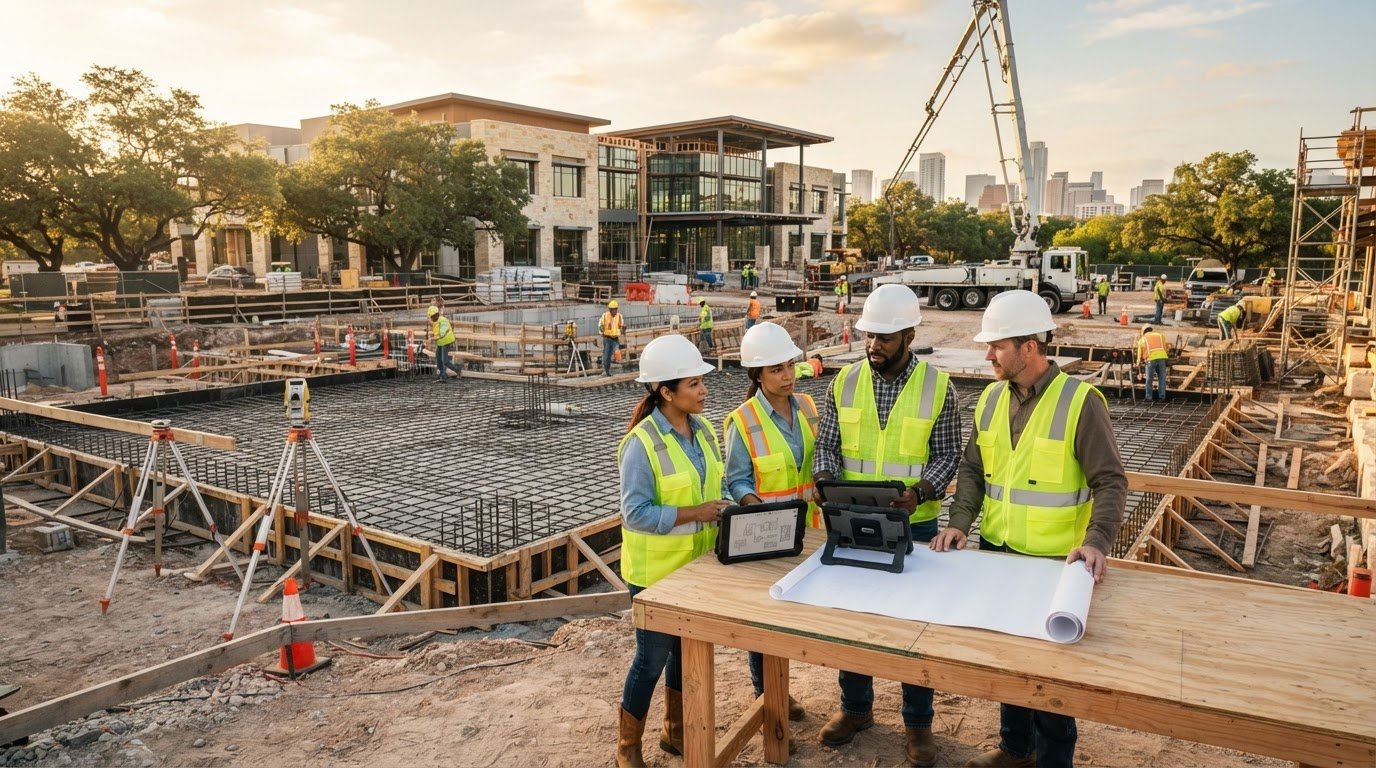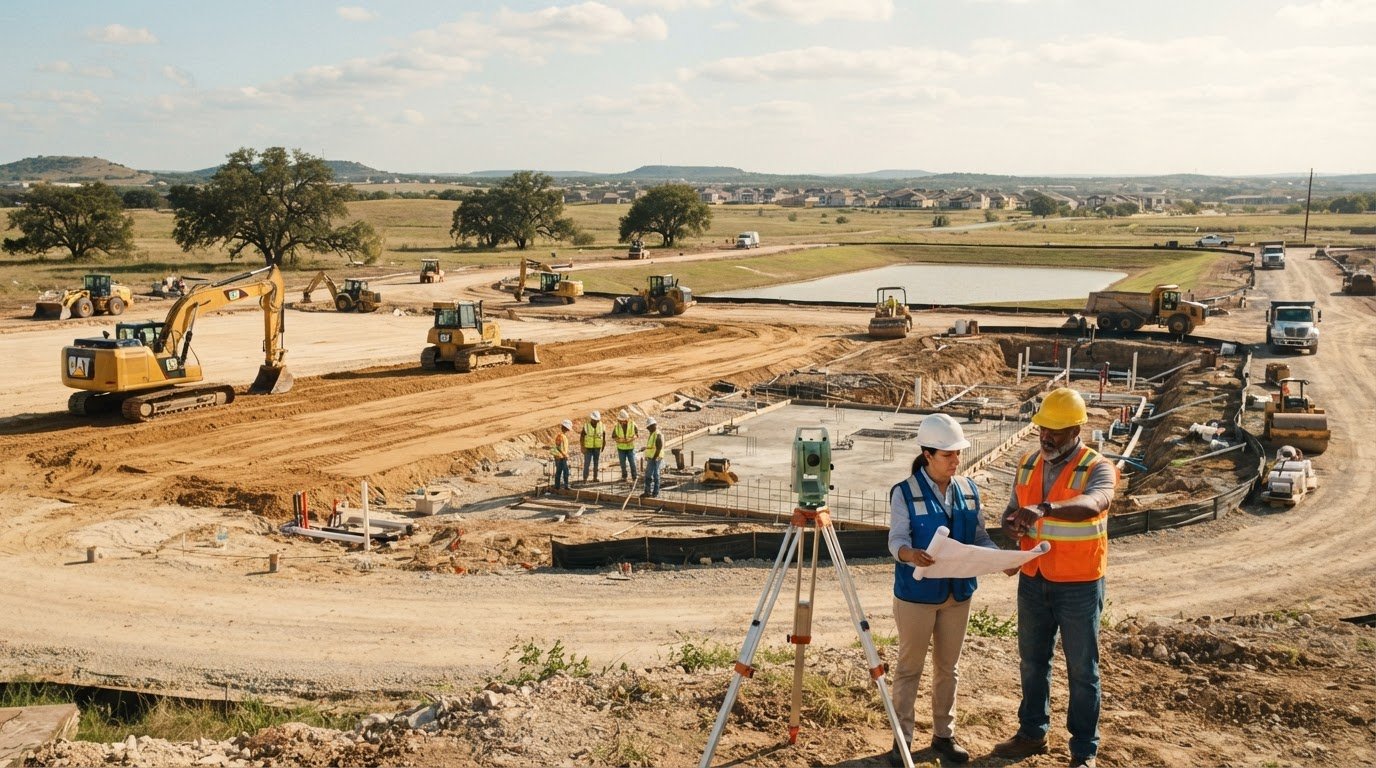
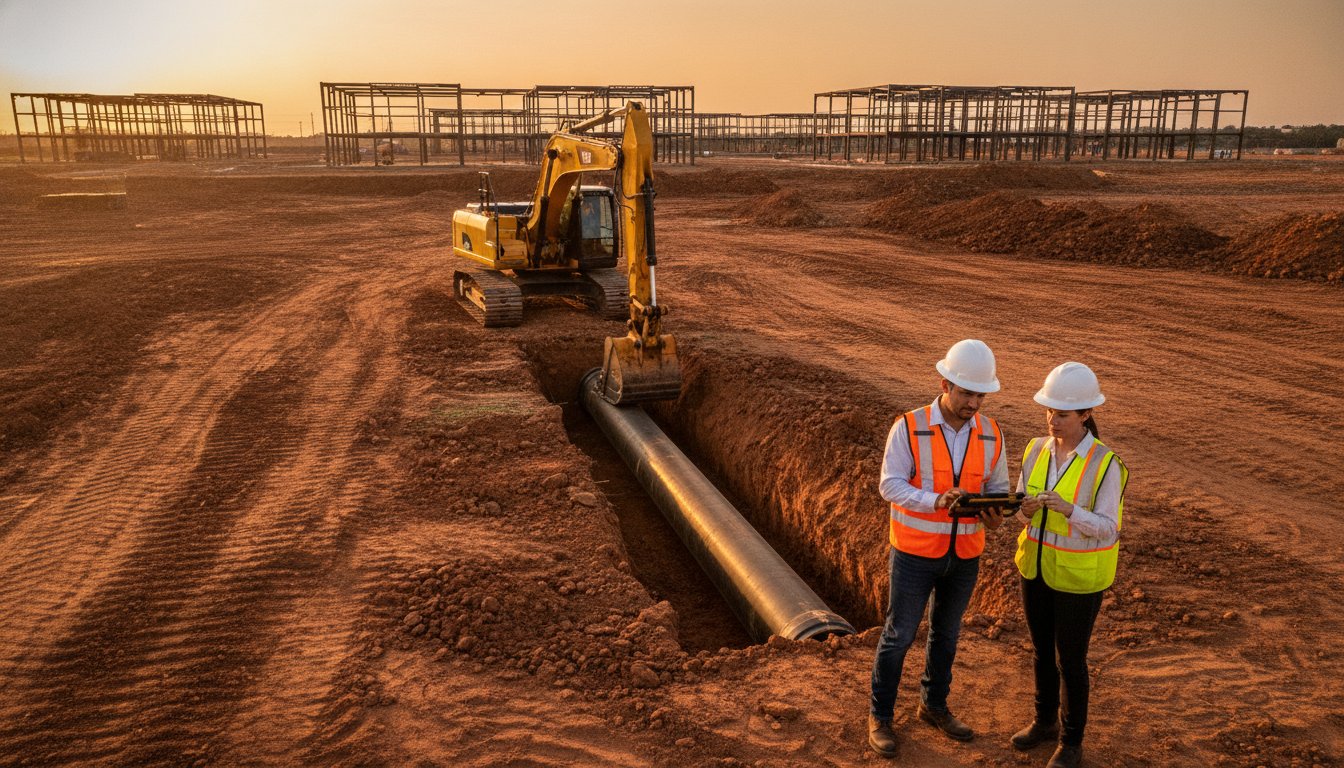
In the high-stakes environment of 2026 Texas infrastructure, the integrity of a development is determined long before the first slab is poured. A professional sanitary sewer line installation contractor Texas project managers rely on must do more than move dirt; they must master the complex intersection of geological stability and strict regulatory compliance. You've likely seen how easily a project can derail when underground utilities aren't perfectly synchronized with the broader civil site work, leading to costly delays or regulatory fines from the TCEQ.
This article serves as a comprehensive resource for selecting a contractor capable of managing these technical demands while maintaining a steadfast commitment to professional standards. You'll learn how to navigate the specific requirements of 30 TAC Chapter 217 and why integrating utility installation with soil stabilization is the only way to prevent long-term maintenance issues. We'll also examine the operational discipline required to meet municipal standards and ensure your project remains on schedule despite the current industry labor shortages. By focusing on precision from the ground up, you can secure the long-term viability of your professional output.
Key Takeaways
- Understand the critical engineering distinctions between gravity-fed sanitary systems and storm sewers to ensure accurate site planning and regulatory compliance.
- Learn how to mitigate the structural risks posed by Texas "fat clays" through precise mass soil excavation and stabilization techniques that preserve pipe joint longevity.
- Evaluate the performance of PVC versus Ductile Iron and the strategic integration of precast concrete manhole structures for high-demand commercial applications.
- Identify the essential criteria for selecting a sanitary sewer line installation contractor Texas developers trust, focusing on safety records, EMR ratings, and large-scale civil capacity.
- Discover the operational advantages of an integrated civil and concrete model in delivering seamless utility transitions and reliable on-time project completion.
The Role of a Sanitary Sewer Line Installation Contractor in Texas
A professional sanitary sewer line installation contractor Texas provides the specialized expertise required to install gravity-fed and force-main systems for commercial developments. This role is fundamental to the civil site work process; it's the point where engineering theory meets the physical reality of the Texas landscape. These contractors manage the complex logistics of deep-trench excavation, precise pipe grading, and the integration of precast structures. In the context of 2026 infrastructure, the margin for error has narrowed. As urban density increases across the state, the demand for high-precision utility systems has become a prerequisite for project viability.
The economic impact of proper utility installation extends far beyond the initial construction phase. When underground systems are installed with meticulous attention to detail, the long-term maintenance costs are significantly reduced. Conversely, poor site coordination or substandard pipe bedding can lead to soil-related shifts that compromise the entire system. For developers, a reliable utility foundation is a primary driver of property valuation and operational stability. It's about establishing a lasting legacy of craftsmanship that supports the enduring nature of Texas commercial hubs.
Sanitary vs. Storm Sewers: Understanding the Difference
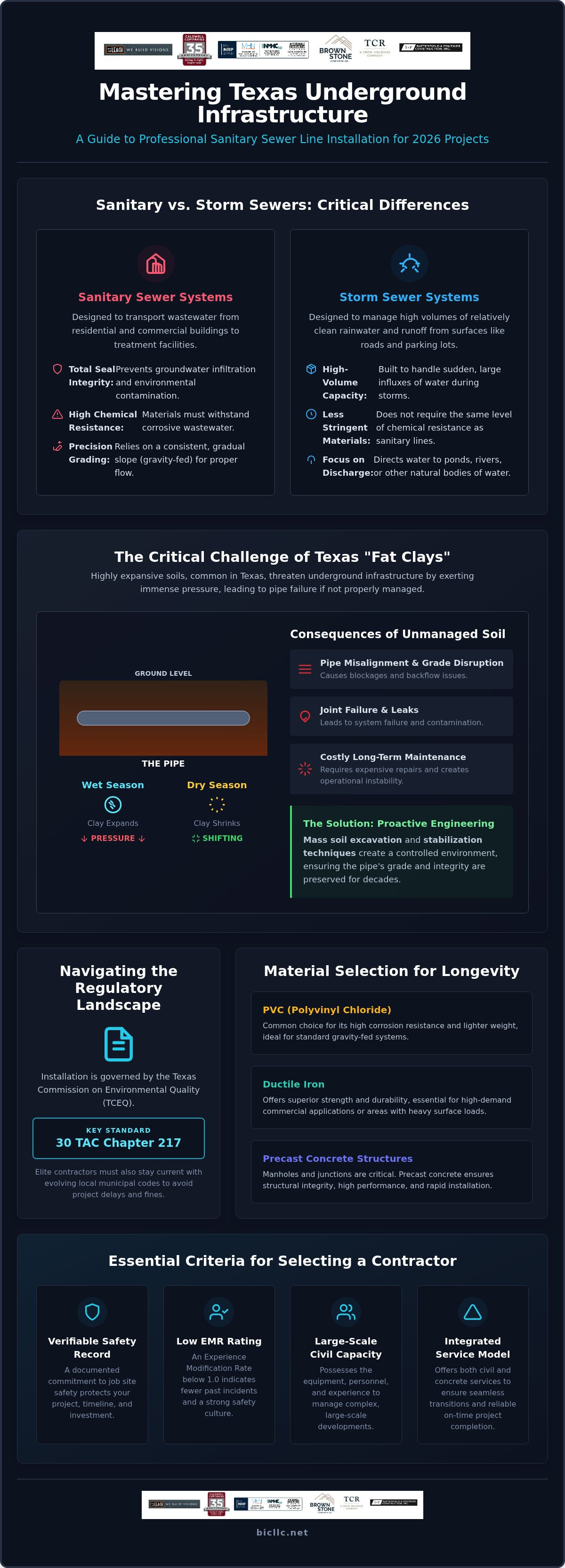
It's vital for project stakeholders to distinguish between effluent management and rainwater runoff handling. While both systems involve underground piping, their technical requirements are distinct. What is a Sanitary Sewer? Essentially, it's a system designed specifically to transport wastewater from buildings to treatment plants. Unlike storm sewers, which manage high volumes of relatively clean rainwater, sanitary lines must maintain total seal integrity to prevent groundwater infiltration and environmental contamination.
Material requirements for sanitary systems are often more stringent, requiring higher chemical resistance to withstand the corrosive nature of wastewater. During the mass soil excavation phase, a sanitary sewer line installation contractor Texas must coordinate the placement of both systems to avoid utility conflicts. This requires a structured approach to site planning where depth, slope, and proximity are managed with absolute precision to ensure both systems function independently and reliably over decades of use.
Texas Infrastructure Standards for 2026
Compliance in Texas is governed by the Texas Commission on Environmental Quality (TCEQ) under 30 TAC Chapter 217. These standards establish the design criteria for wastewater collection, and they remain the benchmark for all 2026 developments. However, local municipal variations often add layers of complexity. For instance, utility code nuances in Houston may differ from those in Austin regarding manhole placement or specific tap permit procedures. A disciplined contractor stays current with these evolving local standards to avoid regulatory fines and project delays. Sanitary sewer installation is a mission-critical civil engineering task that establishes the biological safety and operational longevity of a commercial site.
Technical Challenges: Soil Stabilization and Trenching in Texas
Texas soil, particularly the highly expansive "fat clays" found throughout the Blackland Prairie and Gulf Coast regions, poses a significant threat to underground infrastructure. For a sanitary sewer line installation contractor Texas must rely on, managing this soil is a technical necessity. These clays expand when wet and shrink when dry, exerting immense pressure on buried utilities. Without proper stabilization, this cyclical movement leads to pipe misalignment or joint failure. Precision mass soil excavation provides the controlled environment required to install lines that maintain their grade over decades.
The physics of a gravity-fed system leaves no room for error. A shift of even a few inches can disrupt the necessary slope, causing blockages or backflow issues. We ensure that the trenching process includes a rigorous assessment of soil density and moisture content. This data informs the choice of backfill and stabilization methods, creating a synergy between the underground utility and the eventual surface-level construction. By treating the trench as part of the broader structural foundation, we mitigate the risk of post-installation shifts.
Managing Expansive Soils during Installation
Preventing pipe shear requires more than just standard trenching. We utilize specialized bedding materials, such as crushed stone or gravel, to provide a flexible yet stable foundation that absorbs soil movement. This technique is essential for preventing "bell-and-spigot" separation, where the pipe joints pull apart due to ground heave. Understanding Why Paving Stabilization is Critical for Texas Soil is fundamental to this process. By stabilizing the soil during the backfill phase, we protect the structural integrity of the sewer line and the longevity of the concrete paving above it.
Trench Safety and Mass Excavation Workflow
Safety is a non-negotiable pillar of our operational framework. Per OSHA standards (29 CFR Part 1926, Subpart P), any trench deeper than 5 feet requires a protective system such as shoring or shielding. For deep-line installations, which often reach depths where groundwater or unstable soil becomes a factor, these safety protocols are vital. Our integrated workflow allows us to coordinate sewer lines with detention pond construction and other drainage features. This holistic approach ensures that the site's water management system functions as a single, cohesive unit.
Using a single partner for both earthwork and utility laying creates significant efficiencies. It eliminates the communication gaps that often occur between separate excavation and plumbing crews. If you're planning a complex project, you can explore our earthwork and civil services to see how we maintain consistency across every phase of site development.
Material Selection and Engineering Standards for Commercial Sewers
Selecting materials for a commercial sewer system is a decision that dictates the project's viability for decades. As a sanitary sewer line installation contractor Texas developers rely on, we prioritize materials that exceed the minimum requirements of ASTM D3034. In 2026, the focus has shifted toward higher-grade resins and reinforced structures that can withstand the unique thermal and geological stresses of the Southern United States. Every selection must account for the chemical composition of the effluent and the external pressure of the surrounding soil. This disciplined approach to material procurement ensures that the finished infrastructure remains stable under the weight of heavy-duty concrete paving.
PVC vs. Ductile Iron: A Performance Comparison
PVC remains the industry standard for most gravity-fed systems. It offers exceptional corrosion resistance and smooth flow characteristics. We typically utilize SDR 26 or SDR 35 PVC, which are governed by ASTM D3034 specifications. SDR 26 has a thicker wall and is the preferred choice for deeper installations where soil loads are higher. Certain scenarios require the structural rigidity of ductile iron instead. If a sewer line must be placed with shallow cover or beneath a high-traffic transport hub, ductile iron provides the necessary load-bearing capacity to prevent crushing. This material choice is a balance of long-term durability and immediate environmental constraints.
Manholes and Lift Stations: The Vertical Infrastructure
Vertical infrastructure is just as critical as the horizontal pipeline. Precast concrete manholes provide essential access for maintenance and inspection while ensuring a watertight seal. We focus on the precision integration of these structures with the final concrete paving grades. This requires meticulous coordination during the earthwork phase to ensure manhole rings are set with exactitude. For sites where topographical elevations prevent gravity flow, we engineer lift stations that utilize professional-grade pumps to move waste effectively. These stations are the heart of the system. They require robust foundations and reliable electrical integration to prevent overflows.
No installation is complete without rigorous certification. As a leading sanitary sewer line installation contractor Texas, we follow ASTM F1417 standards for low-pressure air testing to verify that every joint and fitting is leak-free. Mandrel testing is also performed to check for any pipe deflection that may have occurred during the backfill process, as outlined in ASTM D2321. This methodical approach ensures that the underground utility system is fully compliant with municipal standards before the surface-level concrete construction begins. It's a disciplined process that safeguards the developer's investment and the community's health.
Selecting a Sanitary Sewer Line Installation Contractor in Texas
Selecting a sanitary sewer line installation contractor Texas project leads can trust requires a rigorous evaluation of organizational maturity and technical capacity. Large-scale infrastructure projects are fundamentally different from standard commercial plumbing; they demand a contractor who understands the complexities of deep-line excavation, municipal compliance, and site-wide coordination. A primary indicator of a contractor's professional stability is their Experience Modification Rate (EMR). An EMR below 1.0 suggests a disciplined approach to safety and operational management, which is essential when managing high-risk trenching operations in major markets. When a contractor prioritizes safety, it reflects a broader commitment to the meticulous management of every project detail.
Assessing regional experience in major Texas hubs like San Antonio and Dallas is equally vital. Each municipality maintains distinct utility code nuances that can impact permit approvals and inspection timelines. A contractor with established roots in these regions understands how to navigate local requirements while maintaining the steady progress necessary for 2026 developments. This localized expertise ensures that the underground utilities are installed correctly the first time, preventing the regulatory fines and project delays that often stem from non-compliant installations.
Key Credentials and Equipment Capabilities
Commercial sewer work is a heavy-equipment intensive discipline. A qualified contractor must possess a fleet of large-scale excavators and trenchers capable of reaching the depths required for gravity-fed systems. Beyond physical assets, bondability and comprehensive insurance are non-negotiable for multi-million dollar infrastructure contracts. These credentials provide a layer of security for developers, suggesting that the contractor has the financial backing to see a complex project through to completion. We also recommend checking for a history of excellence in Concrete Construction, as this indicates a contractor's ability to manage the critical handoff between underground utilities and surface structures.
The Integrated Civil Advantage
A single-source contractor for both utilities and paving provides a significant advantage by eliminating the communication gaps that often occur between separate subcontractors. This integrated approach streamlines the schedule, allowing the project to move from underground utility installation to slab-on-grade work without the typical friction of site coordination. It removes the risk of "finger-pointing" when conflicts arise between the sewer line placement and the final concrete paving grades. Born Integrated Construction maintains an unwavering focus on professional stability and operational efficiency to ensure that every infrastructure project is delivered with meticulous precision. If you are seeking a steadfast partner for your next project, you can explore our turnkey civil and utility services to learn more about our disciplined execution model.
Born Integrated Construction: Your Texas Civil Infrastructure Partner
Born Integrated Construction operates as a steadfast partner for developers who prioritize substance over style. We provide a comprehensive suite of services that bridges the gap between raw land and finished infrastructure. As a premier sanitary sewer line installation contractor Texas firms rely on, we've refined an integrated model that combines mass excavation, underground utility systems, and world-class concrete paving. This approach ensures that every phase of the project is managed with the same level of operational precision and professional distance. Our team focuses on the acts of establishing and maintaining consistent value, ensuring that the underground systems we install today meet the rigorous demands of 2026 and beyond.
Our commitment to safety and integrity isn't merely a corporate statement; it's a fundamental aspect of our craftsmanship. We understand that the enduring nature of our professional output depends on the meticulous management of details. Whether we're installing gravity-fed sanitary lines or constructing complex structural concrete systems, our focus remains on long-term viability. By maintaining a professional distance and a serious emotional style, we instill a sense of security and confidence in our clients. We aren't seeking to disrupt the industry with unproven innovations; instead, we lead through proven results and unwavering consistency in every Texas project we undertake.
From Mass Excavation to Paving: A Seamless Workflow
Our "Turn Key Civil" model eliminates the logistical friction often found in multi-subcontractor environments. By integrating the installation of sanitary sewers with mass soil excavation and detention pond construction, we create a cohesive site drainage strategy from the start. We utilize advanced paving stabilization techniques to protect the integrity of underground pipes from the stresses of expansive Texas clays. This synergy ensures that the transition from underground utility work to slab on grade or concrete paving is seamless. Working with an authoritative expert allows developers to reduce project management overhead while ensuring that the final product meets all TCEQ and municipal standards.
Get Started on Your Next Infrastructure Project
We serve the entire Texas triangle, providing disciplined execution for projects in Houston, Austin, and San Antonio. Our geographic reach extends from the Woodlands to New Braunfels, covering the regions where rapid urban growth demands the highest standards of infrastructure excellence. Developers seeking a seasoned partner can request a bid for comprehensive civil site work and utility installation through our professional channels. We don't just build infrastructure; we're a master of the craft focused on safety, reliability, and the unwavering consistency required to deliver value. It's about building the lasting foundations that will support the future of Texas for decades to come.
Establishing a Foundation for Texas's Infrastructure Future
Establishing a reliable wastewater system is a long-term commitment to property value and public safety. Success in 2026 developments requires more than just meeting TCEQ standards; it demands a disciplined approach to soil stabilization and technical coordination. It's about more than just digging trenches. By integrating underground utility work with mass excavation, developers can eliminate the common friction points that lead to project delays and structural shifts.
Born Integrated Construction brings a proven track record across the Houston, Austin, and San Antonio markets. Our expertise in both mass excavation and structural concrete allows us to deliver a seamless transition from sub-grade utilities to final paving. As you evaluate a sanitary sewer line installation contractor Texas relies on, prioritize a partner that values substance and operational precision. We've built our reputation on the quiet leadership and unwavering consistency required for complex civil projects.
Ready to secure your project's long-term viability? Contact Born Integrated Construction for a Professional Infrastructure Bid and leverage our specialized Turn Key Civil and underground utility services. We look forward to establishing a lasting foundation for your next Texas development.
Frequently Asked Questions
What are the TCEQ requirements for commercial sanitary sewer installation?
Commercial installations must comply with Title 30, Texas Administrative Code, Chapter 217. These standards establish the design criteria for collection systems and treatment facilities. Key requirements include specific pipe materials, mandatory separation distances from water lines, and strict testing protocols. A sanitary sewer line installation contractor Texas project leads trust ensures all work meets these state-level mandates to avoid regulatory fines and ensure long-term environmental compliance.
How deep should a sanitary sewer line be buried in Texas?
Sanitary sewer lines are typically buried at a minimum depth of 3 to 4 feet to provide adequate protection from surface loads and thermal expansion. The actual depth is often much greater, as it's determined by the specific slope requirements for gravity flow. In complex commercial developments, lines may reach depths of 10 to 20 feet or more, requiring OSHA-compliant shoring and specialized excavation techniques to maintain structural integrity and safety.
What is the typical lifespan of a commercial sanitary sewer system?
A properly installed commercial sanitary sewer system typically has a functional lifespan of 50 to 100 years. The longevity depends heavily on the material selection and the quality of the initial installation. PVC pipes are resistant to corrosion from effluent, while ductile iron provides superior strength in high-load areas. Meticulous bedding and backfilling are essential to prevent the soil-related shifts that can lead to premature joint failure or pipe misalignment.
Can a concrete paving contractor also install underground utilities?
An integrated civil contractor can manage both concrete paving and underground utility installation to ensure seamless site coordination. This model eliminates the communication gaps that often occur between separate earthwork and plumbing crews. By consolidating these services, the contractor can align utility trenching with paving stabilization efforts. This unified approach reduces project management overhead and ensures that the finished infrastructure meets all engineering grades and operational standards for the developer.
How do expansive clay soils affect sewer line installation in Houston?
Expansive fat clays in the Houston region exert significant pressure on buried pipes as they cycle through wetting and drying phases. This movement can cause bell-and-spigot joints to separate or lead to pipe shear if the bedding is inadequate. A seasoned sanitary sewer line installation contractor Texas uses specialized bedding materials and soil stabilization techniques to mitigate these risks. These measures provide a stable foundation that protects the system from the geological shifts common in East Texas.
What is the difference between a gravity sewer and a force main?
A gravity sewer relies on a consistent downward slope to transport wastewater through natural flow. This is the preferred method for most developments due to its lower operational costs and simplicity. A force main is used when topographical elevations prevent gravity flow, requiring a lift station to pump effluent under pressure to a higher elevation. Both systems require precise engineering to ensure the system handles the intended volume without backflow, blockages, or mechanical failure.
What testing is required before a sanitary sewer line is commissioned?
Commissioning a sanitary sewer line requires a series of rigorous tests to verify seal integrity and structural alignment. Low-pressure air testing, conducted according to ASTM F1417 standards, identifies any leaks in the joints or fittings. Mandrel testing is performed to ensure the pipe hasn't deflected beyond allowable limits during backfill. Additionally, manholes undergo vacuum testing to confirm they are watertight and compliant with TCEQ Chapter 217 requirements before the system is finalized.
How long does it take to install a sanitary sewer system for a new development?
The timeline for installation varies based on the project's scale, trench depth, and soil conditions. For a typical commercial development, the process may take several weeks to several months. This schedule includes mass soil excavation, pipe laying, manhole integration, and the mandatory testing phases. Coordination with other civil site work is vital to maintain the overall project timeline and ensure the system is ready for the subsequent building construction without unnecessary delays.