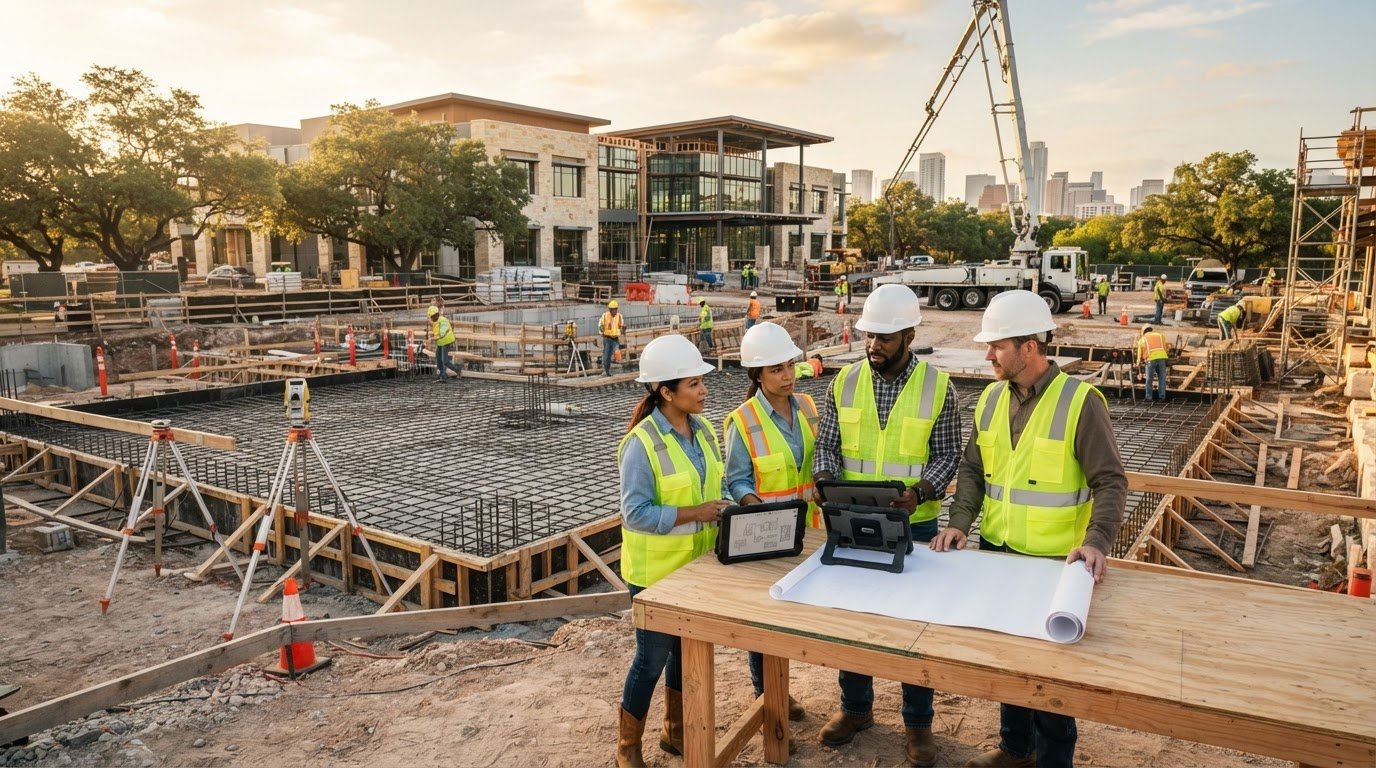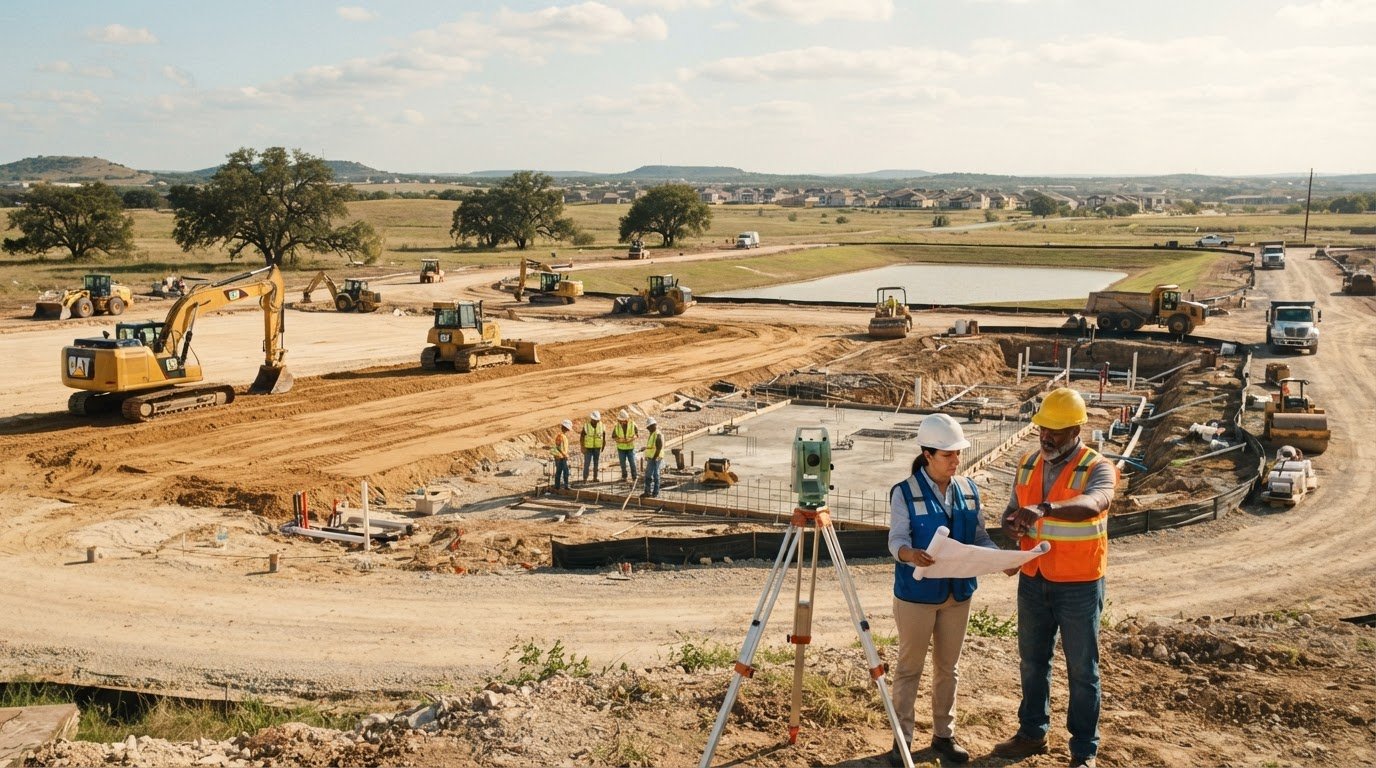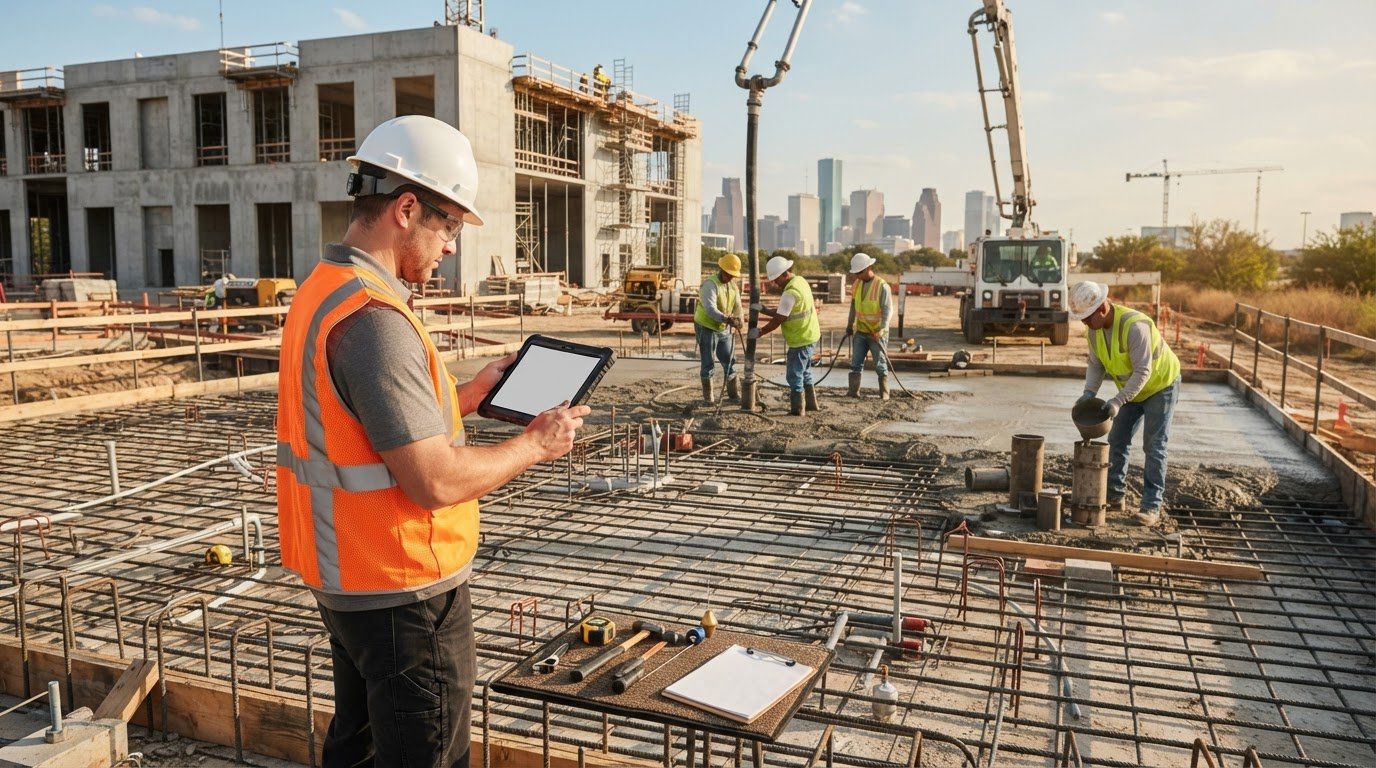
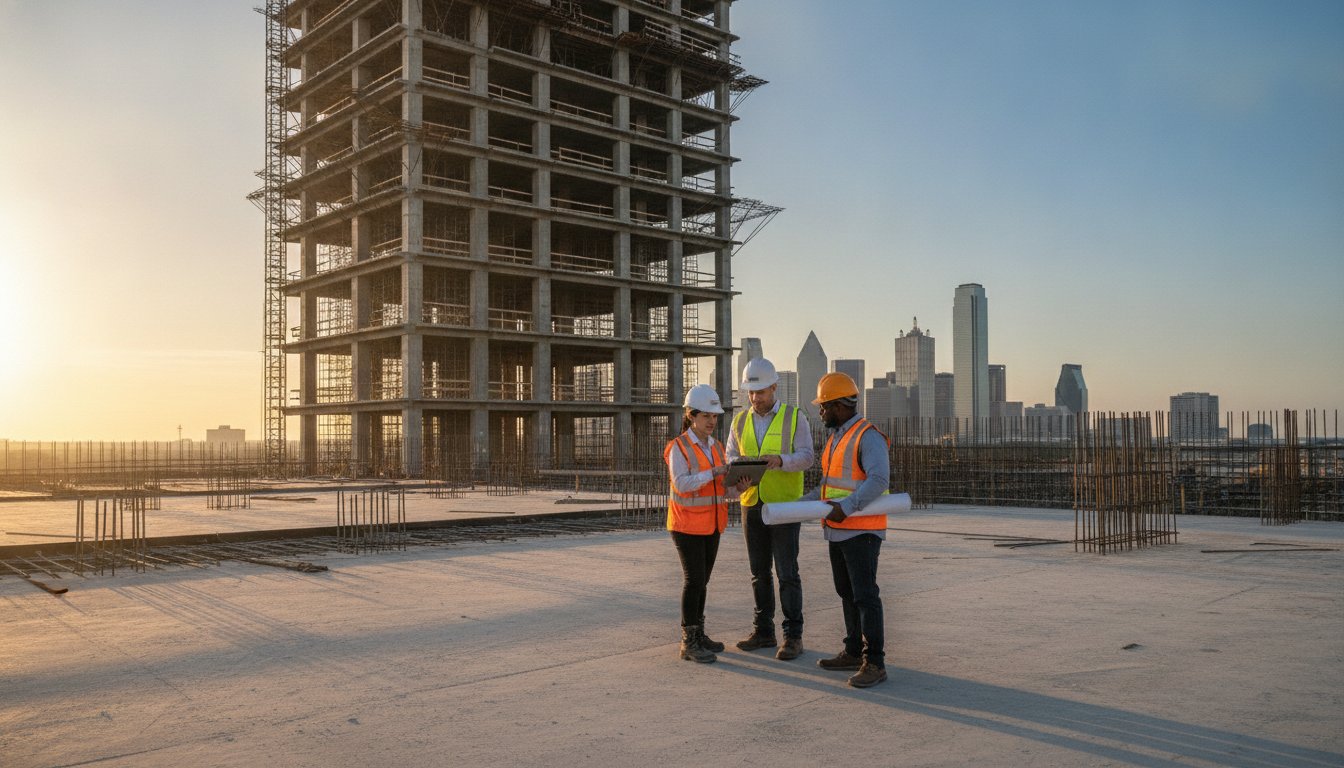
The true strength of a podium slab or a high-rise foundation isn't found in the PSI of the mix alone; it's established in the precision of the earthwork beneath it. In the volatile environment of Texas construction, where shifting clays and extreme heat test every pour, you need more than a vendor. You need a steadfast partner. Knowing the right questions to ask a structural concrete contractor is the only way to move from uncertainty to absolute confidence in your project’s foundation. You're likely concerned about how soil stabilization affects your slab or whether a CIP garage is truly superior to precast for your specific site. These aren't just technical details. They're the pillars of your development's long-term viability and safety.
We understand that the gap between a successful delivery and a costly delay often comes down to the contractor's mastery of both mass excavation and structural execution. This guide provides a rigorous framework to help you vet potential partners for their technical proficiency, OSHA compliance, and ability to manage complex civil integration. You'll learn how to identify a partner who prioritizes structural integrity and operational efficiency from the first shovel of dirt to the final finishing stroke. We'll explore 15 essential inquiries that separate seasoned experts from those who simply follow a blueprint.
Key Takeaways
- Understand how to verify a contractor’s specific history with complex midrise and high-rise developments to ensure they possess the technical depth your project requires.
- Learn to distinguish between Cast-in-Place (CIP) and precast foundation benefits to select the most efficient structural system for your parking garage or podium deck.
- Discover the essential questions to ask a structural concrete contractor regarding mass soil excavation and stabilization to prevent future structural shifts in volatile Texas soil.
- Gain insights into evaluating a partner’s safety protocols and communication strategies to mitigate operational risks and avoid costly delays during peak summer heat.
- Identify how to analyze comprehensive proposals that integrate both earthwork and structural concrete for a more reliable, turnkey civil solution.
Vetting for Stability: Foundational Questions on Experience and Licensing
Before you commit to a partnership, you must determine if a firm possesses the technical depth required for structural loads. One of the most critical questions to ask a structural concrete contractor is how they have historically managed the transition from mass excavation to the vertical build. A crew that excels at simple flatwork often lacks the heavy equipment and specialized engineering knowledge necessary for multi-story foundations. You need a partner who views the project as a cohesive structural system rather than a series of disconnected tasks.
Structural vs. General Concrete Experience
A residential driveway specialist simply isn't equipped to serve as a podium slab contractor Houston developers can rely on for long-term stability. Structural work requires a sophisticated understanding of how Reinforced concrete interacts with tension and compression across multiple levels. When interviewing potential partners, ask for specific references regarding thin shell cast-in-place residential buildings and multi-level parking structures. Verify that their portfolio includes complex CIP structures where they managed the entire scope, as this demonstrates their ability to handle the intricate formwork and high-strength mixes required for midrise and high-rise developments.
The technical standards for these projects are rigorous. The American Concrete Institute released the ACI 318-25 code in July 2025, which introduced significant updates to shear provisions and seismic design. Ask your contractor how their team stays current with these changes. A partner who hasn't integrated the 2025 standards into their workflow may be building according to outdated specifications, which can lead to permit delays or structural vulnerabilities during the inspection phase.
Insurance and Compliance for Texas Projects
Insurance and bonding are the bedrock of risk management for large-scale infrastructure. In Texas, where workers' compensation is optional for private employers, you must verify that your contractor carries comprehensive coverage to protect your investment. Ask for their Experience Modification Rate (EMR); a score below 1.0 indicates a safety record that is better than the industry average. This number is a direct reflection of their operational discipline on-site.
Furthermore, confirm that their liability coverage accounts for the specific risks of mass soil excavation and underground utility work. Because Texas doesn't have a statewide license for concrete contractors, you should verify their registration status in cities like Dallas, Austin, or San Antonio. Proper municipal registration ensures they're authorized to pull the necessary permits and that they've met local bonding requirements. A contractor who can't provide proof of high-limit commercial liability insurance isn't a partner; they're a liability.
Technical Mastery: Questions on Methods, Materials, and Equipment
Technical proficiency in structural projects isn't just about pouring liquid stone. It's about the sophisticated management of tension and compression within a complex environment. When developing a list of questions to ask a structural concrete contractor, you must probe their specific methodology for high-strength applications. A firm that specializes in post-tension slabs or podium decks operates on a different plane than a general flatwork crew. They must demonstrate a deep understanding of mix designs, especially when working with the 4,000 to 5,000 PSI concrete often required for heavy-duty foundations in 2026. This technical vetting aligns with broader FTC guidelines on hiring a contractor, which emphasize the importance of verifying professional capabilities and technical specializations before signing a contract.
CIP vs. Precast Expertise
Selecting between Cast-in-Place (CIP) and precast foundations for a parking garage often depends on your specific site constraints and timeline. CIP offers superior flexibility for complex geometries and creates a monolithic structure that many developers prefer for long-term durability. However, it requires meticulous management of the curing process to ensure structural integrity, particularly when navigating the Texas heat which can cause rapid moisture loss. Ask your contractor which method they recommend for your podium decks or midrise structures. A seasoned partner will evaluate the load-bearing requirements and site accessibility before providing a technical justification for their choice. You should also inquire about their approach to reinforcement placement. The precision of rebar or post-tension cable positioning is what ultimately prevents structural failure under load.
Equipment and Self-Performance
Control over the project schedule begins with the machinery on site. Ask if the contractor owns their mass excavation and soil stabilization equipment. When a firm self-performs both earthwork and structural concrete, they eliminate the communication gaps that often lead to friction between the civil and structural phases. This integrated approach ensures that the soil stabilization is completed to the exact specifications required for a post-tension slab or a heavy mat foundation. For large-scale projects, inquire about their use of laser screeds or advanced finishing technology. These tools provide the precise floor flatness (FF) and floor levelness (FL) numbers essential for modern commercial and industrial facilities. Choosing a partner who maintains their own fleet is a hallmark of reliable structural concrete construction. It suggests a level of financial stability and operational discipline that rental-dependent crews often struggle to match.
The Texas Soil Factor: Integrating Civil Site Work with Structural Concrete
The success of a structural project in Texas depends heavily on the contractor's ability to manage the state's volatile soil conditions. Expansive clays, particularly in the Houston and Austin regions, exert tremendous pressure on foundations as they swell and shrink with moisture changes. Among the technical questions to ask a structural concrete contractor, none are more vital than those concerning site preparation and civil integration. A contractor who lacks a deep understanding of mass soil excavation and grading risks the long-term integrity of the entire structure. You need a partner who treats the ground as a dynamic component of the engineering plan, not just a surface to be covered.
Soil Stabilization and Site Prep
In many parts of Texas, chemical treatment is the standard for ensuring a stable build site. Paving stabilization is the most critical step for Texas roads and heavy-duty slabs, as it transforms unstable clay into a rigid, workable platform. Ask your contractor about their specific experience with lime or cement stabilization. These methods are essential for neutralizing the plasticity of the soil before the first yard of concrete is ever poured. Furthermore, inquire about their proficiency in constructing detention ponds. Proper stormwater management is not an afterthought; it's a requirement for protecting your infrastructure from the flash flooding common to the region. A contractor who manages these civil elements ensures that the structural slab is never compromised by poor drainage or shifting subgrades.
Integrated Civil Solutions
Choosing a partner who offers turn-key civil solutions provides a level of operational precision that fragmented crews cannot match. When one firm manages the mass soil excavation, underground utility installation, and structural concrete, they eliminate the risk of utility interference with the foundation. This integrated approach creates a clear line of accountability. You don't have to worry about a site contractor leaving a grade too high or a utility crew damaging a moisture barrier. Having a single point of contact for the entire civil scope ensures that the transition from earthwork to vertical construction is seamless and efficient. Proper soil stabilization ensures that the foundation remains isolated from the seasonal swelling and shrinking of Houston's expansive clays, effectively preventing the structural slab cracking that plagues poorly prepared sites.
Texas weather extremes also dictate the success of the pour and cure phases. High summer temperatures can cause concrete to set too quickly, leading to shrinkage cracks and reduced strength. Ask how your contractor manages these variables. They should have clear protocols for temperature monitoring, the use of admixtures to control set times, and consistent curing methods to maintain moisture. A steadfast partner anticipates these environmental challenges and maintains a disciplined schedule to ensure the enduring nature of the professional output.

Project Management and Safety: Ensuring Operational Precision
Operational discipline on a structural site is as vital as the concrete mix itself. When you're managing a midrise or high-rise development, the margin for error is non-existent. One of the most significant questions to ask a structural concrete contractor is how they maintain safety and communication while coordinating with multiple trades. A project can have the best engineering in the world, but without a dedicated project manager and a culture of reporting, it can still fail during the execution phase. You need a partner who leads through proven results and unwavering consistency, especially in high-stakes environments where heavy machinery and vertical work intersect.
Safety and Integrity Protocols
Safety is not a checklist; it's a core value that dictates every move on the job site. Ask potential partners about their OSHA training requirements for field supervisors and their daily safety briefing process. In 2026, the construction industry faces a shortfall of 499,000 workers, making a disciplined safety culture even more essential to prevent accidents that cause delays and human tragedy. Integrity also means reporting a sub-standard pour immediately. If a batch of concrete doesn't meet the specified PSI or if a reinforcement bar is misplaced, you need a contractor who will stop the work and rectify the issue before it's buried under tons of material. This level of transparency builds the security and confidence you need in a structural partner.
Timeline and Communication
Structural phases are often the bottleneck of a larger project. Request a sample schedule for a CIP garage or high-rise foundation to see how they account for variables like material lead times and weather. Currently, structural steel lead times are extended to 14-20 weeks, which can impact the overall structural timeline. Ask how they coordinate with plumbing and electrical trades during slab preparation. A failed inspection on an embedded utility line can halt a pour and throw the entire project off track. Most professional firms now use digital tools like Procore for daily logs and RFI management. This ensures a methodical, deliberate flow of information between the site and the developer, allowing for the meticulous management of details that defines a successful build. If you're looking for a partner who prioritizes this level of operational excellence, partner with a reliable structural concrete contractor today.
The handling of Requests for Information (RFI) and change orders is another area where projects often lose momentum. A seasoned expert will have a structured process for addressing these issues without stalling the field crews. Ask how they handle unexpected site delays, such as those caused by the extreme Texas heat or material shortages. Their response will reveal whether they are a disciplined professional focused on execution or merely a vendor reacting to problems as they arise. This organized approach to communication suggests a business that is as stable in its physical operations as it is in its administrative management.
The Final Selection: Evaluating Proposals and Partnerships
Finalizing a partnership requires a methodical review of the proposed scope. Among the concluding questions to ask a structural concrete contractor, you must ensure that every civil and structural requirement is fully documented. A proposal that omits mass soil excavation or paving stabilization isn't a bargain; it's a future change order waiting to disrupt your budget. You need a partner who provides a transparent, all-encompassing bid that reflects the actual complexity of the Texas landscape and the specific engineering needs of your development.
Comparing Proposals 'Apples to Apples'
When you analyze bids, look for hidden costs in excavation or utility tie-ins. Some contractors exclude the necessary soil stabilization for Texas conditions to keep their initial numbers low. However, an integrated contractor manages the entire scope from the first dig to the final podium slab. This integrated approach reduces the friction of managing multiple subcontractors and ensures that the structural integrity of the build isn't compromised by a third party's inadequate site prep. You aren't just buying concrete; you're buying a managed process that protects the long-term viability of your infrastructure.
Justifying the cost of a structural project involves calculating the risk of future failure. A cheaper mix or a less rigorous reinforcement protocol may save money today, but it increases the likelihood of structural defects over the lifespan of the building. Ask how the firm justifies its pricing in relation to long-term durability and risk reduction. A steadfast partner will point to their use of high-performance mixes and their commitment to ACI 318-25 standards as evidence of their value. They should also be clear about their warranty policy for structural defects, providing you with a sense of security that they stand behind their craftsmanship.
Choosing a Steadfast Partner
A seasoned authoritative expert is identified by their substance rather than their sales pitch. During the final interview, look for a disciplined professional who speaks plainly about safety, execution, and the meticulous management of details. Born Integrated Construction prioritizes these foundational principles over industry hype. We maintain consistent performance across multiple Texas regions by adhering to a strict ethical framework and operational precision. Our integrated approach ensures that we deliver consistent value, whether we're pouring a CIP garage foundation or managing complex earthwork for a midrise development.
Consult with Born Integrated Construction for your next structural project.
Establishing a Permanent Foundation for Your Next Development
Building a high-rise or a complex CIP garage in the Texas landscape requires more than just pouring concrete; it demands a deep-rooted commitment to technical precision and site stability. By utilizing these critical questions to ask a structural concrete contractor, you've equipped yourself to distinguish between a general vendor and a true structural partner. You now understand that the long-term viability of your infrastructure depends on the seamless integration of mass soil excavation and advanced concrete construction. A reliable partner manages these variables with a focus on safety and meticulous execution, ensuring that every load-bearing element is established with absolute precision.
Born Integrated Construction stands ready to serve as that steadfast partner for your commercial or infrastructure needs. We are specialists in Texas civil and structural integration, bringing a proven track record in Houston high-rise developments and CIP parking structures to every job site. Our team prioritizes safety, integrity, and efficiency, ensuring your project withstands both the shifting Texas soil and the rigorous demands of modern engineering. We focus on the enduring nature of our work so you can build with absolute security. Request a Structural Consultation from Born Integrated Construction to ensure your next project is built on a foundation of reliability and professional excellence. We look forward to helping you establish a lasting legacy.
Frequently Asked Questions
What is the difference between a general concrete contractor and a structural concrete contractor?
A structural concrete contractor specializes in load-bearing components that support the weight of an entire building, such as podium slabs and high-rise foundations. While a general contractor might focus on non-structural flatwork like sidewalks or residential driveways, structural specialists must master complex formwork and reinforced engineering. This expertise is vital for ensuring the safety and long-term stability of multi-story developments.
Why is soil stabilization so important for commercial concrete in Texas?
Texas soil is notorious for high-plasticity clays that swell when saturated and shrink during dry spells. Paving stabilization using lime or cement treatments is essential to neutralize this movement before the foundation is poured. Without proper stabilization, the constant shifting of the earth would eventually lead to structural cracks and slab failure in even the most robust commercial buildings.
How long does a typical structural concrete foundation pour take to cure?
Structural concrete typically reaches about 70 percent of its intended design strength within the first 7 days of curing. However, the standard period to reach full specified strength is 28 days. In the intense Texas heat, contractors must use specific curing compounds or moisture-retention methods to prevent the concrete from drying too quickly, which would compromise its durability.
Can one contractor handle both the mass excavation and the structural concrete work?
Yes, hiring an integrated firm that manages both mass soil excavation and structural concrete work is often the most efficient choice. This turnkey civil approach ensures that the site preparation perfectly aligns with the foundation requirements. It eliminates the common communication gaps that occur when two different companies try to coordinate the transition from earthwork to vertical construction.
What are the benefits of Cast-in-Place (CIP) for parking garages compared to precast?
Cast-in-Place (CIP) construction creates a monolithic, seamless structure that offers superior resistance to water infiltration and greater design flexibility for odd-shaped lots. While precast foundations are valued for assembly speed, CIP is frequently preferred for structured concrete parking garages because it provides a more rigid, durable frame that requires less long-term maintenance of expansion joints.
How do I verify a structural concrete contractor's safety record?
The most reliable way to verify safety is to request the contractor’s Experience Modification Rate (EMR) and their OSHA 300 logs. An EMR below 1.0 indicates that the firm has a safety record better than the industry average. This data provides a transparent look at their operational discipline and their commitment to protecting workers on high-risk midrise and high-rise sites.
What should be included in a comprehensive structural concrete bid?
A comprehensive bid must detail the full scope of earthwork, soil stabilization, formwork, reinforcement, and concrete placement. This is one of the most critical questions to ask a structural concrete contractor to avoid unexpected change orders. Ensure the proposal also covers site-specific needs like detention pond construction and underground utility tie-ins to prevent budget overruns later in the project.
Is a podium slab necessary for my midrise development in Houston?
Podium slabs are almost always necessary for midrise developments in Houston that utilize wood or light-gauge steel framing over a ground-floor retail or parking level. This concrete deck acts as a fire-rated horizontal separation and provides a stable, high-strength platform for the lighter vertical structure above. It's a standard solution for maximizing density in urban Texas markets.