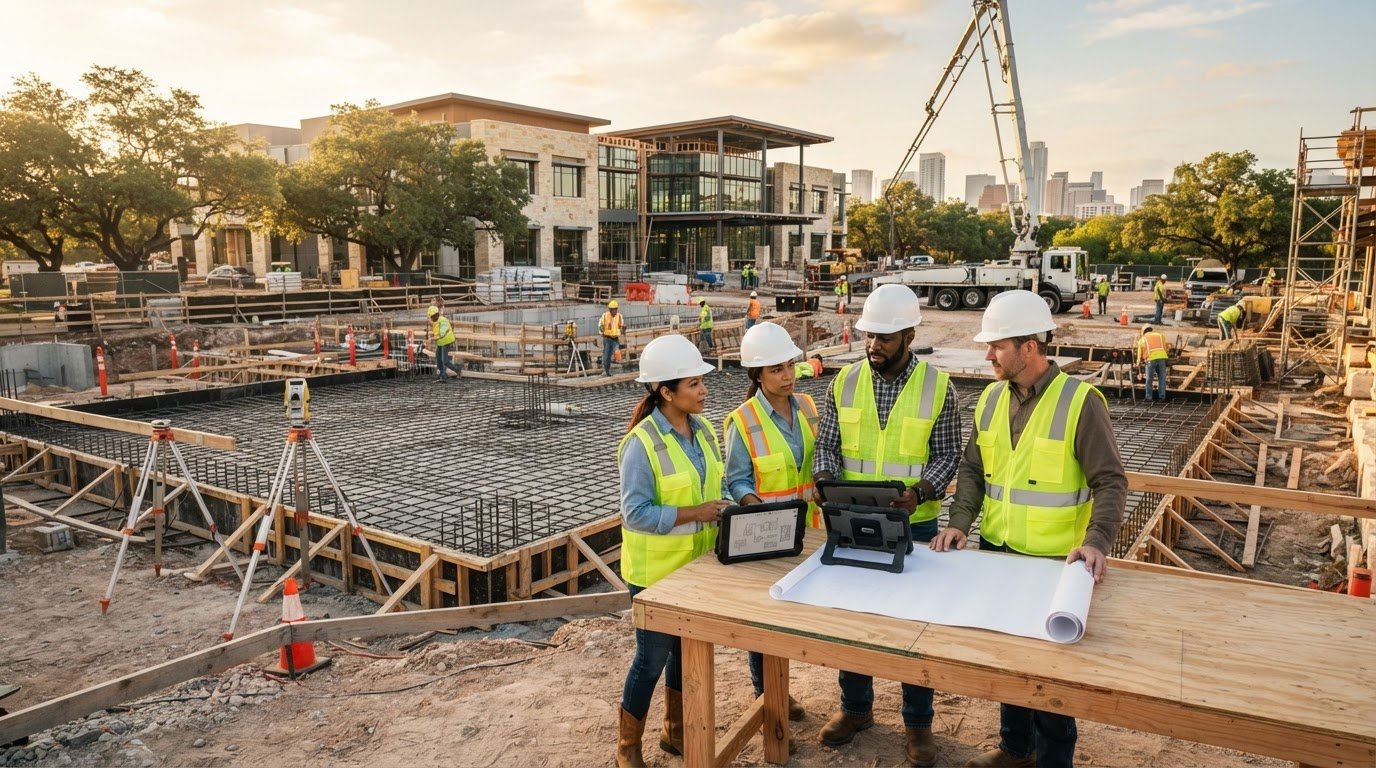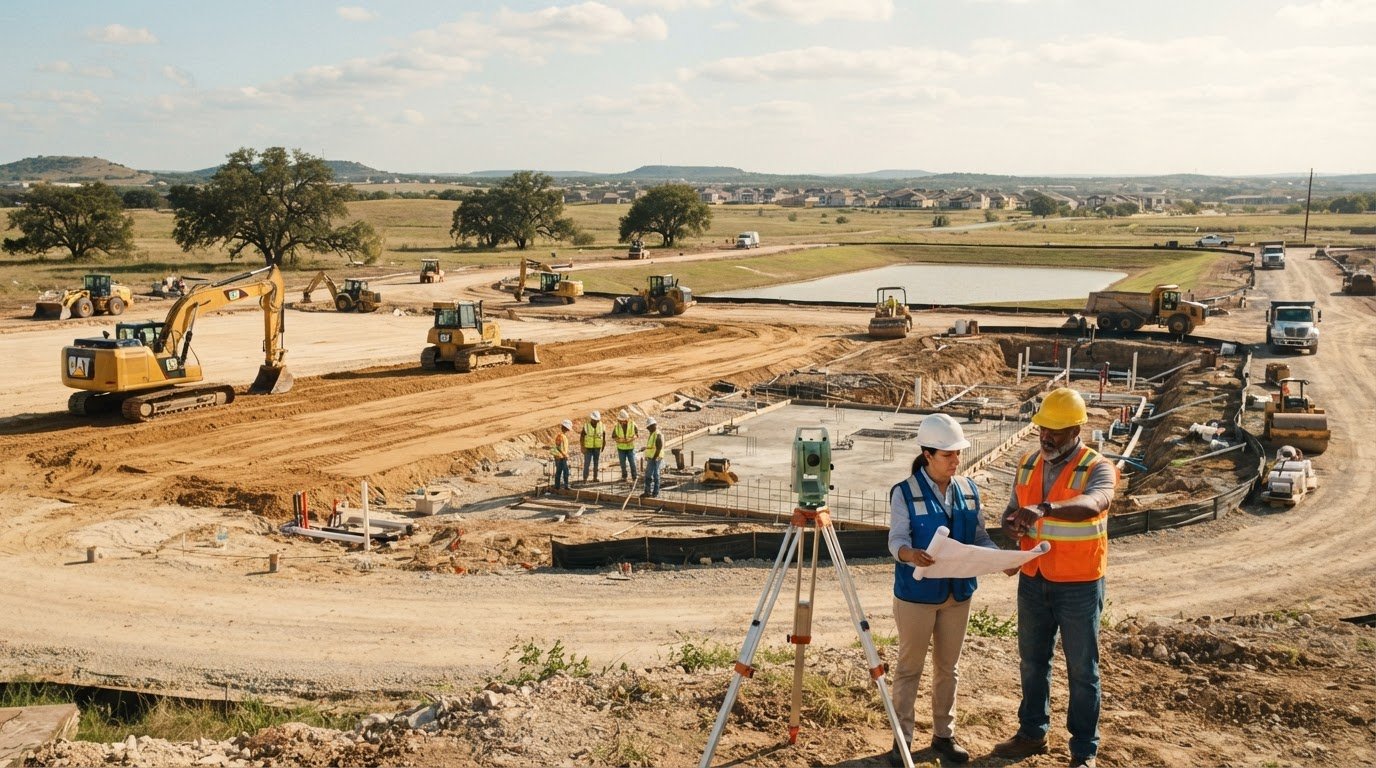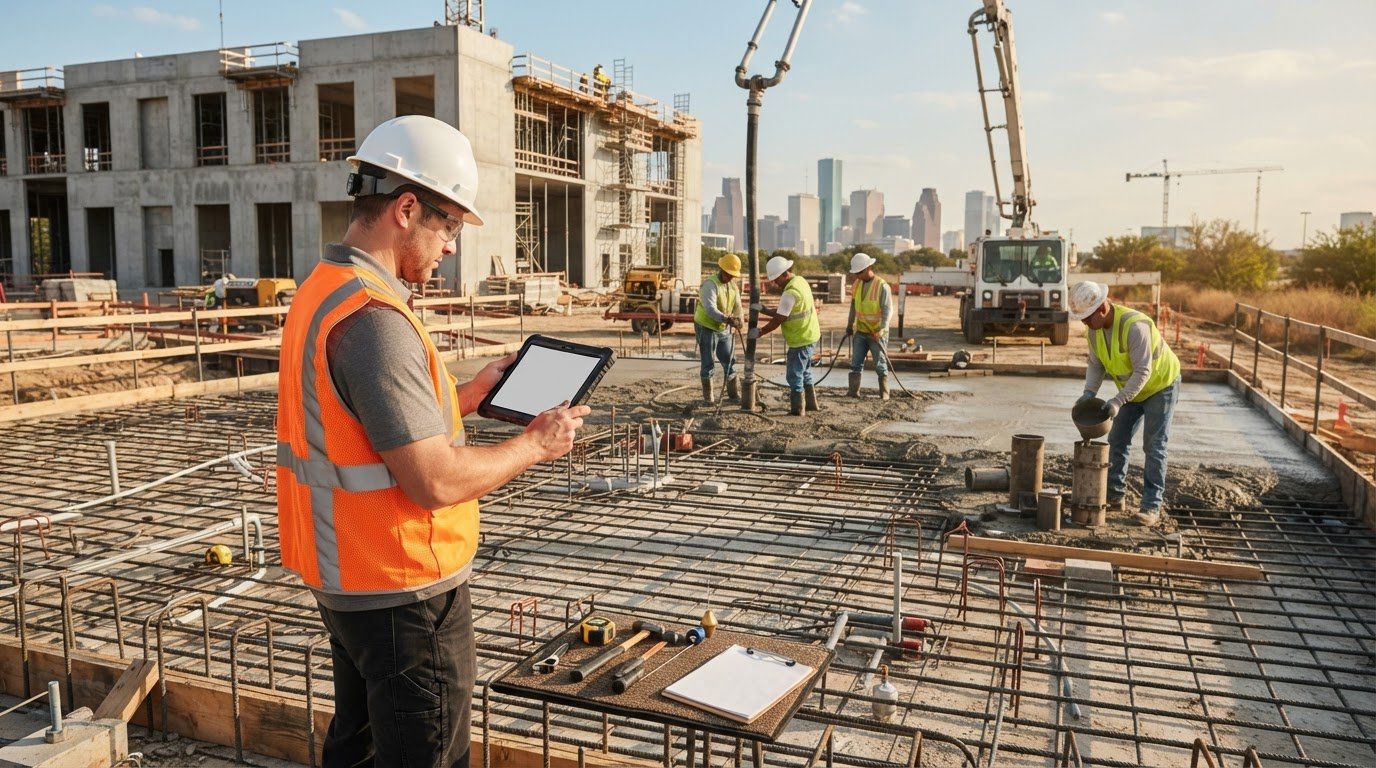
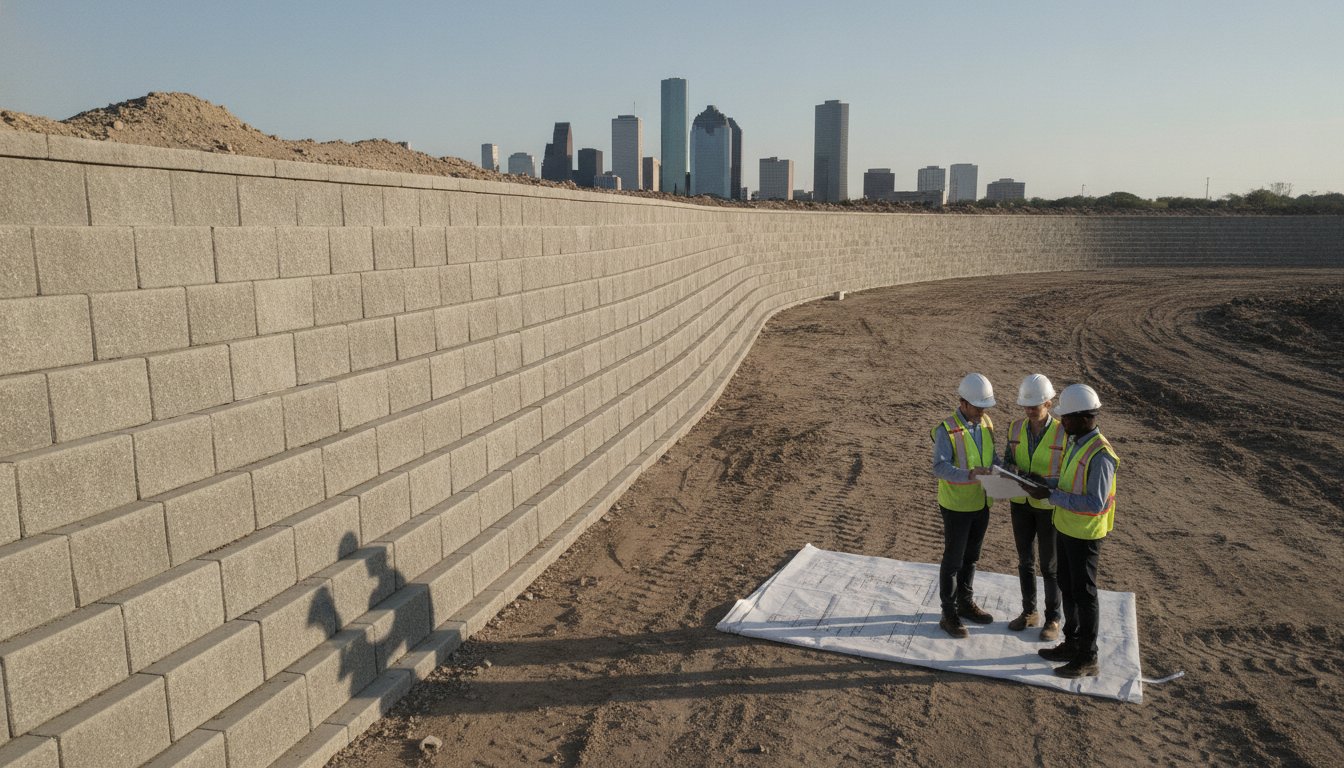
In the Houston landscape, a retaining wall is far more than a simple partition; it is a critical structural defense against some of the most volatile expansive clay soils in the United States. For developers and site managers, the threat of soil erosion or walls bowing under intense hydrostatic pressure isn't just a maintenance concern; it's a risk to the entire project's stability. Partnering with a specialized commercial retaining wall contractor Houston is the most effective way to mitigate these risks through precise engineering and disciplined execution.
We recognize that you need more than a temporary fix. You require a structure that remains steadfast for thirty years or more without leaning or cracking. It's essential to address the complexities of Houston’s municipal codes and drainage regulations before the first yard of concrete is poured. This guide provides the technical roadmap for navigating these challenges, ensuring your 2026 development stands on a foundation of reliability. We'll examine how integrated site preparation, geogrid reinforcement, and advanced drainage systems work together to deliver a compliant, high-performance solution that protects your investment.
Key Takeaways
- Learn how strategic earth retention systems maximize usable land and site stability for high-density commercial developments in the Houston area.
- Discover the technical differences between Cast-in-Place (CIP) and Segmental Retaining Walls to determine the most reliable solution for your project's load requirements.
- Understand how an experienced commercial retaining wall contractor Houston mitigates the risks of expansive clay soil and hydrostatic pressure through engineered drainage.
- Explore the advantages of a turnkey approach that integrates mass excavation and site preparation with structural concrete construction.
- Gain insights into navigating 2026 municipal codes and drainage regulations to ensure your structural foundations remain compliant and enduring.
The Critical Role of Retaining Walls in Houston Commercial Sites
Retaining walls function as essential structural earth retention systems that stabilize soil between two different elevations. On a commercial scale, these aren't merely decorative features but high-stakes engineering solutions designed to resist immense lateral pressure. While residential walls might only support a small garden bed, commercial structures must withstand surcharges from heavy machinery, delivery trucks, and the weight of the buildings themselves. Partnering with an experienced commercial retaining wall contractor Houston is vital for ensuring these walls meet the rigorous load requirements of modern infrastructure.
These systems are particularly critical in high-density areas like Houston or The Woodlands, where maximizing usable land is a financial necessity. Without vertical earth retention, a significant portion of a site would be consumed by the natural angle of repose of the soil, leaving less room for revenue-generating square footage. Beyond simple grade changes, these walls are frequently integrated into the design of detention ponds. By using vertical walls instead of sloped banks, developers can achieve the required water storage volume within a much smaller footprint, freeing up more surface area for parking or additional structures.
- Load Management: Commercial walls are built to support live loads, such as heavy traffic, and dead loads, like permanent structures or stockpiled materials.
- Regulatory Compliance: These structures must adhere to 2021 IBC standards, which typically require professional engineering stamps for any wall exceeding four feet in height.
- Integrated Civil Work: Effective walls are rarely standalone; they're part of a broader earthwork strategy involving mass excavation and subgrade preparation.
Site Elevation and Acreage Maximization
Creating level building pads on the varied terrain of the Texas Gulf Coast requires more than just moving dirt. It demands a strategic approach to vertical grade changes. Retaining walls allow for the creation of flat, stable surfaces for commercial slabs and parking lots on sites that would otherwise be too steep for development. This precision in elevation management also protects underground utility layouts. By stabilizing the soil, walls ensure that water lines, electrical conduits, and sewer pipes remain in their designed positions without the risk of shear caused by shifting earth. Every vertical foot gained through an engineered wall can represent thousands of dollars in additional developable land.
Erosion Control and Foundation Protection
Houston's climate presents a constant challenge in the form of heavy rain and rapid sheet flow. When water moves across a site, it carries soil with it, a process that can quickly undermine the edges of concrete paving or building foundations. A commercial retaining wall contractor Houston designs systems that interrupt this flow and hold the subgrade in place. These walls work in tandem with drainage systems to prevent hydrostatic pressure from building up behind the structure, which is a leading cause of wall failure. A properly engineered retaining wall is a non-negotiable requirement for maintaining the structural integrity of a commercial foundation against the forces of erosion and soil movement.
Comparing CIP vs. Segmental Retaining Walls for Texas Projects
Selecting the right structural system requires a deep understanding of both material science and local geotechnical conditions. An experienced commercial retaining wall contractor Houston will typically present two primary options: Cast-in-Place (CIP) concrete and Segmental Retaining Walls (SRW). Each system serves a distinct purpose. The choice between them often dictates the long-term viability of the site, especially as we look toward 2026 development standards. While aesthetics play a minor role, the primary decision drivers are load-bearing requirements, drainage needs, and the specific surcharge pressures of the surrounding infrastructure.
Cast-in-Place (CIP) Concrete Walls
CIP concrete is the gold standard for heavy-duty industrial loads and high-density urban environments. Because these walls are poured as a single monolithic unit, they offer unparalleled resistance to the lateral pressures found in high-traffic commercial zones. This method allows for complete customization of height, thickness, and rebar reinforcement. It's the preferred solution for CIP Garages and mid-rise foundations where the wall must integrate seamlessly with other structural elements like Podium Decks. This creates a rigid, continuous barrier that doesn't shift under the weight of heavy machinery or permanent building loads. For projects requiring maximum structural stability, you'll find that the initial investment in CIP pays dividends through reduced maintenance over several decades.
Segmental and Modular Block Systems
Segmental Retaining Walls (SRW) offer a "dry-stack" advantage that is particularly useful for managing Houston's heavy rainfall. These systems consist of interlocking modular blocks that don't require mortar. This design allows for natural hydrostatic pressure relief; water can seep through the joints rather than building up behind the structure. SRWs are highly effective for detention pond perimeters and landscape transitions where some degree of soil movement is expected. For walls exceeding four feet, the use of geogrid reinforcement every two feet of vertical rise is a standard practice to ensure the mass remains stable. These systems often provide a faster installation timeline compared to traditional poured walls, making them a viable choice for projects with aggressive schedules. If your site requires a balance of flexibility and efficient drainage, Retaining Walls built with modular blocks are a proven alternative.
The cost-benefit analysis for 2026 projects must account for more than just the day-one price. While modular systems might offer lower upfront costs, CIP walls provide a level of structural permanence that is difficult to match in heavy industrial applications. Most commercial developers choose CIP when the wall is a critical component of a building's foundation or a structured parking garage. Conversely, SRW systems are favored for large-scale earthwork and civil site preparation where drainage and speed are the priorities. Partnering with a firm that offers Turn Key Civil services ensures that regardless of the material chosen, the subgrade preparation and wall construction are handled with a single point of accountability.
Engineering for Houston’s Expansive Clay and Drainage Challenges
Houston’s geology presents a unique set of variables that can compromise structural integrity if ignored. The local "shrink-swell" cycle is the primary driver of wall movement. As a seasoned commercial retaining wall contractor Houston, we understand that designing for the Gulf Coast requires more than standard calculations. It requires a preventative engineering approach that accounts for the high plasticity of native soils. When these clays absorb moisture, they expand significantly, exerting massive lateral forces that can cause unreinforced structures to tilt or crack. Conversely, during dry periods, the soil contracts and creates subterranean gaps that lead to erosion and instability.
Stabilizing these sites often begins with Paving Stabilization and rigorous subgrade preparation. Regulatory compliance in Houston and Montgomery County typically mandates that any wall exceeding four feet in height must be accompanied by a professional engineering stamp. This ensures the design accounts for both the weight of the soil and any surcharge loads from nearby infrastructure. Our focus remains on creating a steadfast barrier that manages these environmental pressures through disciplined technical execution.
Managing Lateral Earth Pressure
The success of a wall depends heavily on the material placed behind it. Using native expansive clay as backfill is a common point of failure. Instead, we utilize non-expansive materials such as crushed stone or clean gravel to provide a stable, free-draining zone directly behind the structure. This strategy reduces the direct pressure on the wall face. We also calculate for "surcharge" loads, which are the additional weights from adjacent parking lots, heavy-duty roads, or permanent buildings. By reinforcing the earth with geogrid or structural rebar, we ensure the wall remains vertical and stable regardless of the load intensity on the surface above.
Critical Drainage Systems
Hydrostatic pressure is the leading cause of retaining wall failure. When water saturates the soil behind a wall, the weight of that soil increases dramatically, and the water itself exerts a force that can push even the strongest concrete out of alignment. Effective drainage is the only solution. We implement a multi-layered approach that includes weep holes at the base of the wall and perforated drainage pipes wrapped in filter fabric. These pipes are often integrated directly into the site's larger storm sewer systems to ensure runoff is moved away from the foundation quickly. Preventing soil saturation not only protects the wall but also preserves the integrity of the entire site's Earthwork and civil foundation.
The Commercial Retaining Wall Construction Process
Executing a structural earth retention project requires a methodical approach that prioritizes precision over speed. A dependable commercial retaining wall contractor Houston follows a rigorous sequence to ensure the finished structure meets the specific demands of the 2026 building cycle. This process is designed to eliminate the variables that lead to wall failure, such as improper compaction or inadequate footing depth. Each phase is documented and verified to maintain the high standards required for heavy-duty industrial and commercial applications.
The construction sequence typically follows five critical stages:
- Step 1: Geotechnical analysis and site survey. We identify soil shear strength, plasticity, and groundwater levels to validate the engineering plan.
- Step 2: Mass excavation and subgrade preparation. This involves clearing the site to reach stable, load-bearing strata.
- Step 3: Footing installation and reinforcement. We place structural rebar and pour the concrete base to create a wide, stable foundation.
- Step 4: Wall assembly. This includes erecting forms for CIP concrete or precisely stacking modular blocks for SRW systems.
- Step 5: Backfilling and final site stabilization. We layer drainage stone and compact soil to the final grade to ensure long-term stability.
Excavation and Subgrade Integrity
Establishing subgrade integrity is the most labor-intensive phase, yet it's the most vital for long-term stability. This phase often involves mass soil excavation to remove "fat clay" pockets. These high-plasticity clays are notorious for causing foundation heave and must be replaced with stable, select fill. Before construction continues, we verify that compaction levels meet the specified Proctor density. This ensures the ground doesn't settle or shift under the weight of the new wall, protecting the integrity of the entire site.
Quality Control and Safety Standards
Maintaining safety and quality standards is a non-negotiable part of our operational framework. Deep trenching for footings requires strict adherence to OSHA safety protocols to protect workers and prevent site cave-ins. We utilize third-party testing to verify concrete PSI and soil compaction at every critical interval. Adherence to ASTM standards is the baseline for every commercial wall we construct, providing a verifiable record of structural quality and durability. If you're ready to begin your next project with a partner focused on disciplined execution, contact us for Turn Key Civil services today.
Why Integrated Civil and Concrete Services Ensure Longevity
Reliability in commercial construction is often compromised by the fragmentation of services. When a project uses separate subcontractors for earthwork and structural concrete, the resulting schedule friction and communication gaps can lead to delays or structural compromises. Choosing a commercial retaining wall contractor Houston that provides integrated civil and concrete services eliminates these risks. This model ensures that the team preparing the subgrade is the same team responsible for the final vertical structure, creating a seamless chain of accountability that protects the project's long-term viability.
Integrity in construction isn't just about the materials used; it's about the discipline of the process. We prioritize structural stability by ensuring that every Retaining Wall is perfectly synchronized with the site's drainage and detention pond requirements. For instance, in parking structures or CIP Garages, the wall must function as part of a larger structural system. Our experience with Structural Concrete allows us to build walls that handle these heavy industrial loads without the risk of leaning or failure over time. By managing both the soil and the structure, we deliver a result that remains steadfast for decades.
The Turnkey Advantage for Houston Developers
Streamlining the transition from Mass Soil Excavation to structural concrete is a matter of operational efficiency. In the Houston market, where weather windows are tight and site conditions are often unpredictable, having a single point of contact allows for rapid adjustments. Consistent quality control is maintained across the entire scope of Earthwork and wall construction. This integration leads to more cost-effective infrastructure solutions because it removes the overlapping margins and administrative overhead associated with managing multiple vendors. It's a methodical approach that ensures the foundation is as organized as the physical operations.
Partnering with Born Integrated Construction
Our commitment to safety and efficiency is the foundation of our professional standards. We serve the Greater Houston area, providing steadfast results from Conroe to The Woodlands and beyond. We value substance over style, focusing on the meticulous management of details that ensure your development stands the test of time. This seasoned expertise allows us to act as a dependable partner for developers who prioritize reliability and high standards. If you're planning a 2026 commercial project, we invite you to request a proposal for Turn Key Civil services. Let's establish a foundation built on proven results and unwavering consistency.
Securing Structural Integrity for Future Houston Infrastructure
Establishing a permanent earth retention system in the Gulf Coast region requires a disciplined focus on geotechnical realities. Successful 2026 developments will prioritize walls that account for the unique shrink-swell cycles of local clay and the intense hydrostatic pressure of our climate. By selecting the appropriate structural solution, whether it's a monolithic cast-in-place barrier or a flexible modular system, you ensure the long-term stability of your site's foundation. Partnering with a specialized commercial retaining wall contractor Houston provides the technical mastery needed to navigate complex municipal codes and drainage requirements.
Born Integrated Construction offers a steadfast approach through turnkey civil and concrete expertise. We eliminate the operational friction between excavation and structural crews, serving the Greater Houston area from Conroe to The Woodlands with specialized CIP and structural solutions. This integrated model is the most reliable way to deliver high-performance infrastructure that remains vertical and secure for decades. Request a Consultation for Your Houston Retaining Wall Project to discuss the specific requirements of your upcoming development. We look forward to building a lasting foundation for your site.
Frequently Asked Questions
When does a retaining wall in Houston require a professional engineer's stamp?
A professional engineer's stamp is required for any retaining wall in Houston that exceeds four feet in height. This regulation ensures the structure can withstand lateral earth pressure and complies with 2021 International Building Code standards. For commercial sites, even shorter walls may require engineering if they support a surcharge load, such as an adjacent parking lot or heavy-duty road. Professional oversight is essential for maintaining site safety and regulatory compliance.
What is the best material for commercial retaining walls in Texas soil?
Cast-in-place (CIP) concrete is often considered the most reliable material for heavy-duty commercial applications in Houston's expansive clay soil. Its monolithic structure provides superior resistance to lateral forces. However, segmental block systems are an excellent choice for detention ponds due to their natural drainage properties. A qualified commercial retaining wall contractor Houston will evaluate your site's specific load requirements and soil plasticity before recommending the optimal material for long-term stability.
How much does a commercial retaining wall cost per square foot in 2026?
The cost of a commercial retaining wall depends on several variables, including the height of the structure, the chosen material, and the complexity of the required earthwork. Factors such as the need for geogrid reinforcement or specialized drainage systems also influence the total investment. Because every project in the Houston area involves unique soil challenges and municipal requirements, we recommend requesting a detailed proposal that accounts for your specific site conditions and 2026 material rates.
How do you prevent a retaining wall from leaning or bowing over time?
Preventing a wall from leaning or bowing requires managing hydrostatic pressure and ensuring a stable subgrade. We implement comprehensive drainage systems, including perforated pipes and crushed stone backfill, to move water away from the structure. For taller walls, we use geogrid reinforcement or structural rebar to tie the wall into the soil mass. These engineering practices prevent the build-up of force that typically causes unreinforced walls to shift or fail over time.
Can a retaining wall be built as part of a detention pond system?
Retaining walls are frequently integrated into detention pond systems to maximize the usable surface area of a commercial site. By using vertical walls instead of sloped earthen banks, developers can achieve the necessary water storage volume within a smaller footprint. This approach is particularly effective in high-density areas where parking space is at a premium. Our team ensures these walls are designed to handle constant moisture exposure and rapid water level fluctuations without compromising integrity.
What is the typical lifespan of a cast-in-place concrete retaining wall?
A professionally engineered and constructed cast-in-place concrete retaining wall typically has a lifespan of 30 to 50 years or more. Its durability is a result of the monolithic pour and structural reinforcement, which allow it to remain steadfast against Houston’s volatile soil conditions. Regular inspections of the drainage outlets help maintain this longevity. When built to high professional standards, these structures provide a permanent solution that requires minimal maintenance throughout their service life.
Do I need a soil report before hiring a retaining wall contractor?
Obtaining a geotechnical soil report is a critical first step before beginning any commercial-scale construction. This report provides essential data on the soil's load-bearing capacity and plasticity index, which directly informs the engineering of the wall's footings and reinforcement. Without this information, a commercial retaining wall contractor Houston cannot accurately calculate the lateral pressures the wall must resist. We rely on these reports to ensure the final structure is both safe and compliant with local building codes.
How long does the construction of a commercial-scale retaining wall take?
The construction timeline for a commercial retaining wall varies based on the project's scale and the complexity of the site preparation. A typical project may take anywhere from two to six weeks, including excavation, footing installation, and wall assembly. Weather conditions and the curing time for concrete also play a role in the schedule. We prioritize a methodical pace that ensures every safety protocol is followed and every quality standard is met without unnecessary delays.