Did you know that an improperly designed basin over the Edwards Aquifer Recharge Zone can halt a commercial development before the first foundation is even poured? For developers in Central Texas, managing stormwater is no longer just a site requirement; it's a high-stakes regulatory challenge that demands absolute precision. You've likely felt the pressure of Austin's strict drainage codes and the frustration of unpredictable limestone layers stalling your progress. Partnering with an experienced detention pond contractor Austin project managers can rely on is the only way to maintain your timeline and protect your investment.
We understand that a successful project depends on the seamless integration of earthwork and structural stability. This guide explores the essential technical requirements and structural best practices for 2026, including the March 2025 Colorado River erosion updates and the latest green infrastructure mandates. You'll learn how to navigate the complexities of clay soil infiltration and subsurface inspection cycles to ensure long-term compliance. We'll provide a clear roadmap for establishing a resilient stormwater management system that functions as a permanent asset to your site's infrastructure. By prioritizing meticulous management and proven civil engineering standards, you can secure a foundation that stands the test of time.
Key Takeaways
- Learn how Austin’s limestone topography and evolving drainage regulations necessitate specialized excavation strategies for modern commercial sites.
- Discover the technical precision required during mass soil excavation to achieve exact engineered invert elevations and maintain site readiness.
- Understand the critical role of structural concrete in building resilient outfall structures and custom drainage vaults that withstand flash flooding.
- Identify the professional standards to look for when hiring a detention pond contractor Austin firms rely on, from fleet technology to comprehensive bonding.
- Explore how an integrated approach to civil site work aligns earthwork with structural foundations to eliminate delays and ensure long-term regulatory compliance.
The Strategic Role of Detention Ponds in Austin Commercial Infrastructure
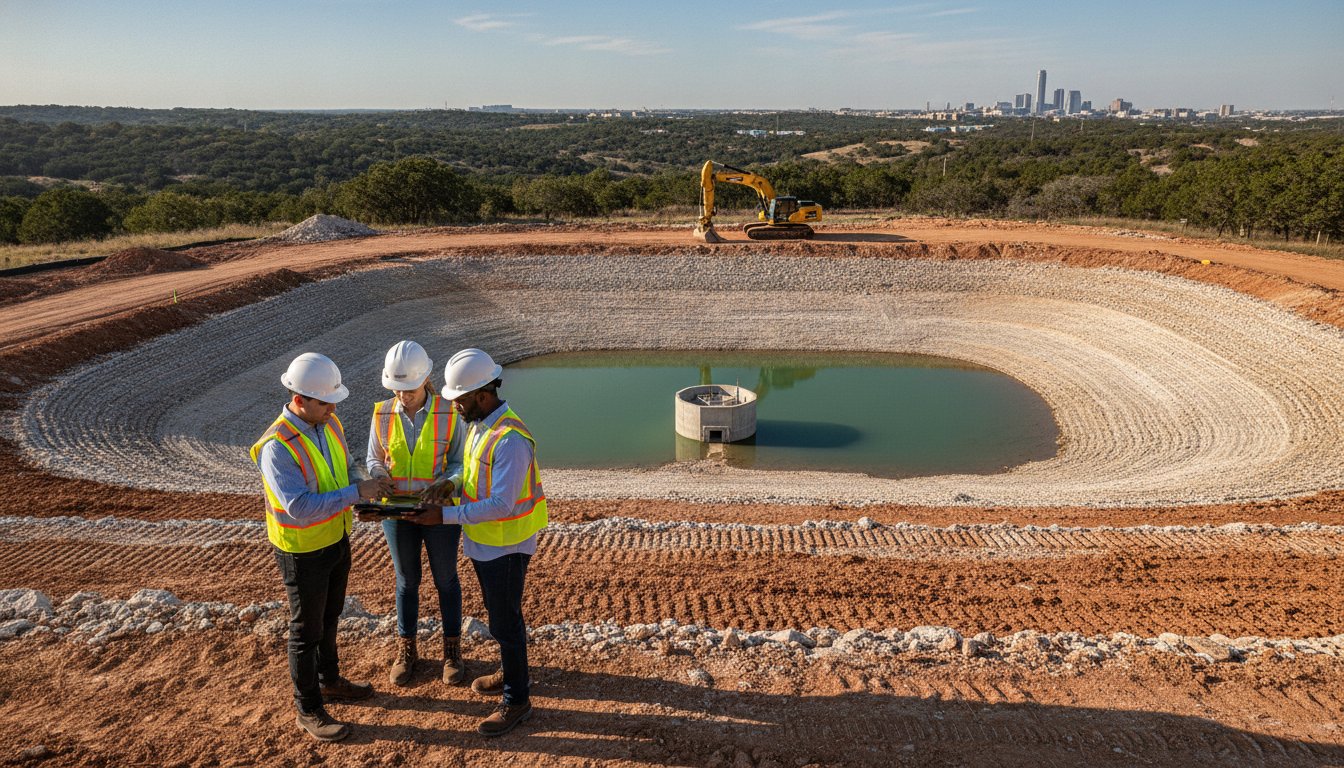
A detention basin serves as a critical, active component of your site's infrastructure rather than a passive landscape feature. For commercial developers, these systems represent the primary defense against the legal and physical risks of stormwater runoff. In Central Texas, the challenge is intensified by a landscape defined by thin topsoil and dense limestone. Standard excavation methods often fail here; you need a detention pond contractor Austin professionals rely on to manage the transition from mass soil excavation to structural concrete outfalls with precision. Our approach treats every basin as a permanent engineering solution designed for long-term viability.
Every square foot of impervious cover added to a site increases the volume of water that must be managed. Austin’s regulations are designed to ensure that post-development runoff rates don't exceed pre-development levels. This isn't just about compliance; it's about protecting the long-term stability of the property. Poorly executed basins can lead to erosion, foundation instability, and significant liability for downstream damage. By establishing a robust drainage footprint early in the project, you eliminate the threat of future structural failures and the associated financial burdens.
Navigating Austin Watershed Protection Department Regulations
The City of Austin Drainage Criteria Manual (DCM) sets a high bar for environmental protection. As of March 27, 2025, new ordinances have strengthened erosion protections, particularly for sites impacting the Colorado River. Additionally, the 2022 mandate for Green Stormwater Infrastructure (GSI) means biofiltration and rain gardens are now the standard for water quality in most new developments. We ensure your site remains compliant with these 2026 standards by coordinating closely with the Watershed Protection Department and the Lower Colorado River Authority (LCRA). This disciplined approach prevents the costly delays often associated with regulatory pushback during the final inspection phases.
Flood Mitigation and Site Stability in Central Texas
Flash flooding is a persistent threat in the Austin area. Effective detention ponds use calculated peak-flow attenuation to release stormwater at a controlled, safe rate. This process is vital for maintaining the integrity of adjacent structures and paved surfaces. Improper drainage can lead to soil saturation and hydrostatic pressure, which directly threatens building foundations. Just as we emphasize durability in commercial concrete paving in Conroe and Austin, we apply the same structural rigor to our detention basins. Partnering with a seasoned detention pond contractor Austin developers trust ensures that these flood mitigation strategies are executed with technical proficiency, protecting your investment from the unpredictable Central Texas climate.
The Technical Process: Mass Excavation and Site Preparation
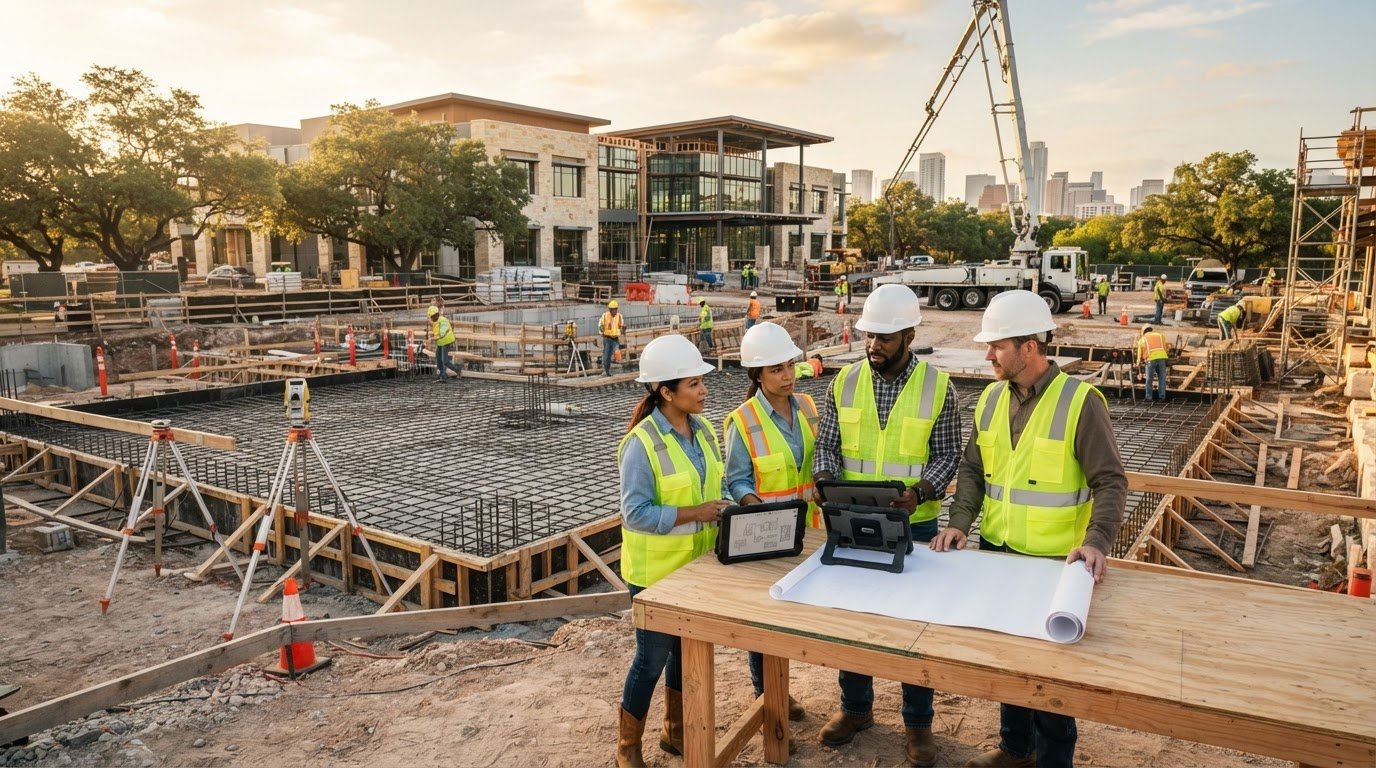
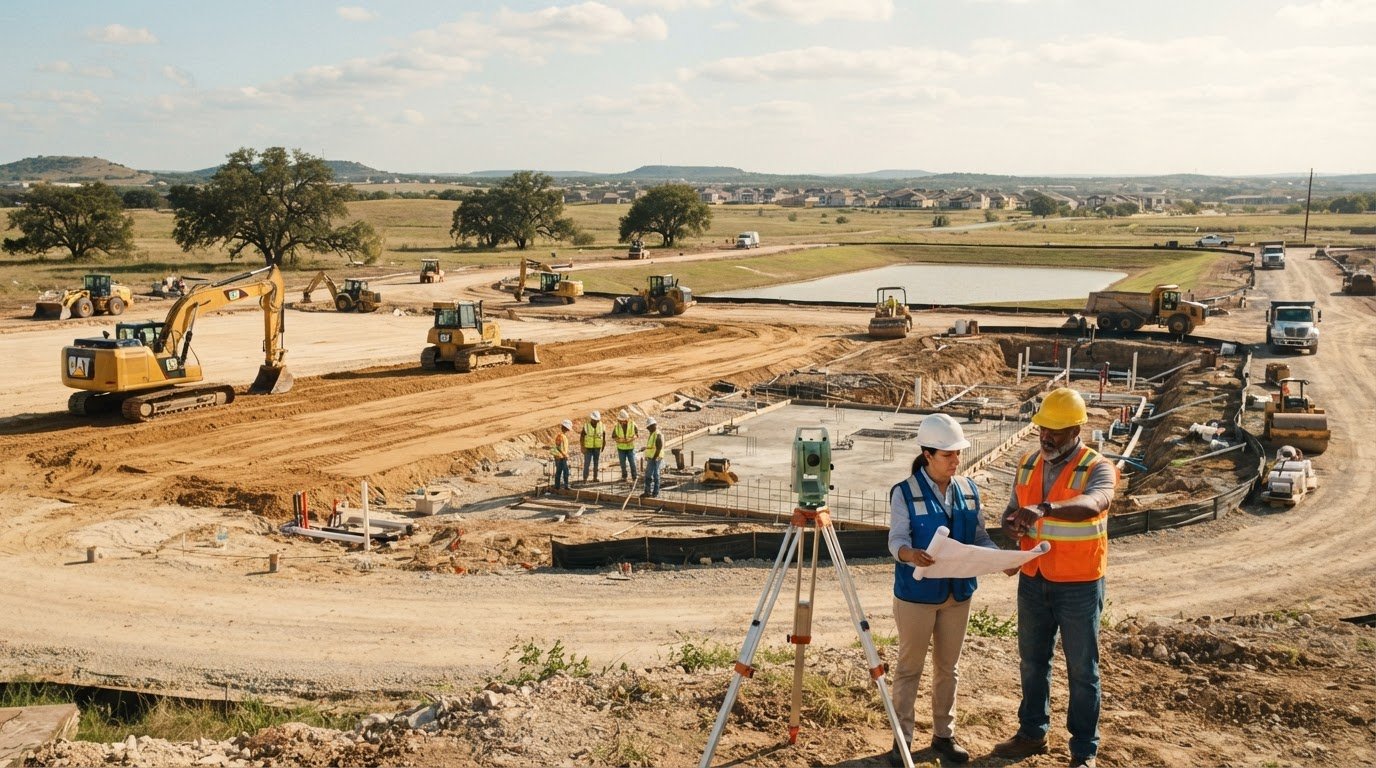
Successful site preparation begins with a disciplined approach to clearing and topsoil stripping. We establish the basin footprint by removing all organic material and surface debris to expose the underlying subgrade. This initial phase is critical because any remaining vegetation or unstable topsoil can compromise the structural integrity of the pond embankments later. Once the site is clear, we transition into precision mass soil excavation to reach the exact engineered invert elevations required for the project. This methodical removal of earth ensures the basin can hold the volume specified in the site's hydraulic model.
A professional detention pond contractor Austin project managers hire must possess the technical capability to handle the region's diverse geology. Whether encountering expansive clay or hard limestone, the excavation must be executed with surgical precision to maintain the design's integrity. We also integrate essential underground utility systems, such as storm sewers and junction boxes, directly into the pond’s structural footprint. This integration ensures that the entire drainage network functions as a single, cohesive unit. If you are preparing a large-scale commercial site, our team provides the Turn Key Civil expertise needed to align your earthwork with your structural requirements.
Equipment and Precision Earthwork Standards
Modern earthwork relies on GPS-guided excavation technology to meet stringent drainage slope requirements. In the Austin area, where even a minor deviation in grade can lead to standing water or regulatory failure, this technology is indispensable. Mass soil excavation is the systematic removal and hauling of large earth volumes to establish the foundational elevations for civil site readiness. We maintain a robust internal fleet specifically chosen for Austin’s rocky terrain and heavy clay. Selecting the right machinery, such as heavy-duty excavators equipped with rock teeth, allows us to stay on schedule despite the challenging Central Texas subsurface.
Soil Stabilization and Erosion Control
Stabilizing pond embankments is a priority given the erratic weather patterns in Central Texas. We utilize a combination of rip-rap, geotextiles, and concrete lining in high-velocity areas to prevent soil migration. These measures are essential for meeting Austin's detention requirements and maintaining long-term site stability. Every dig we perform adheres strictly to the Stormwater Pollution Prevention Plan (SWPPP) to protect local waterways from sediment runoff. By applying these rigorous stabilization techniques, we ensure the pond remains a functional asset from the day of final grading through years of service.
Structural Concrete Integration for Resilient Detention Basins
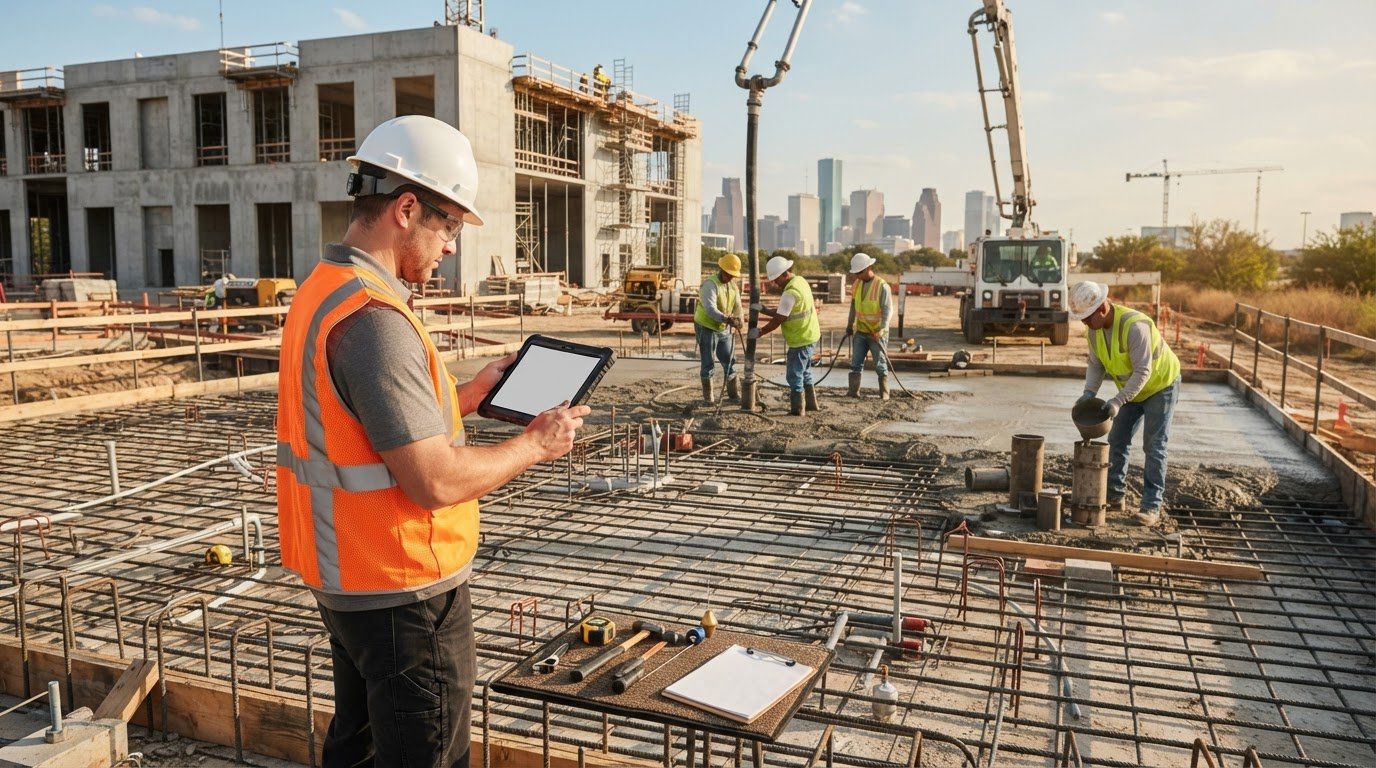
Mass excavation establishes the basin's volume, but structural concrete provides the control and durability necessary for long-term operation. A professional detention pond contractor Austin developers partner with must understand that the outfall system is the most critical point of failure in any stormwater network. We utilize structural concrete for spillways and outfall structures to ensure they remain immovable during high-velocity discharge events. By integrating cast-in-place (CIP) solutions, we construct custom drainage vaults that fit the specific hydraulic requirements of your site plan. These structures, including reinforced headwalls and wingwalls, are designed to direct high-volume flow away from sensitive embankments to prevent catastrophic erosion.
The longevity of a detention system depends on the quality of its components. High-grade concrete paving within the basin floor or at transition points prevents the scouring that typically occurs in soil-only basins. This disciplined approach to construction minimizes maintenance requirements and extends the operational life of the infrastructure. We prioritize operational precision in every pour, ensuring that the structural elements of the pond integrate seamlessly with the broader civil site work. This commitment to substance over style results in a drainage system that functions reliably under the most extreme conditions.
Outfall Structures and Flow Control
Engineering concrete weirs and orifices requires absolute accuracy to achieve the precise release rates mandated by local drainage authorities. Our engineering standards for these components mirror the precision required of an expert podium slab contractor in Houston, where structural integrity is non-negotiable. We reinforce our concrete structures to withstand heavy debris impacts and the intense hydrostatic pressure that occurs during flash floods. By using high-strength structural concrete, we create outfalls that maintain their geometry and functionality for decades.
Retaining Walls and Basin Perimeter Integrity
In many urban Austin developments, site area is at a premium. We often employ concrete retaining walls to establish vertical basin perimeters, which allows us to maximize the usable land for parking or building footprints. Managing the soil pressure and drainage behind these structural walls requires a seasoned detention pond contractor Austin firms can trust for meticulous execution. We ensure that every wall is finished to align aesthetically with the surrounding commercial development. This creates a professional appearance that complements the enduring nature of our professional output while providing the necessary structural stability for the basin.

Selecting the Right Detention Pond Contractor in Austin
Choosing a detention pond contractor Austin developers can trust requires more than just comparing bid prices. You must verify that the organization maintains comprehensive insurance and bonding levels appropriate for large-scale civil projects. A dependable partner also demonstrates a robust internal fleet and the latest technological capabilities, such as GPS-guided grading systems. These tools allow for the execution of precise engineering specifications without the delays often caused by equipment shortages or subcontracting issues. Evaluating a contractor's past performance on similar municipal or commercial sites in Central Texas provides the best evidence of their ability to handle local soil conditions and regulatory hurdles.
Operational stability is further reinforced by a contractor's alignment with civil engineering firms. This relationship ensures that the design-build process remains accurate from the first survey to the final inspection. Meticulous management of safety protocols is also non-negotiable on active, multi-phase construction sites. A seasoned professional prioritizes the well-being of the crew and the integrity of the site, creating a disciplined environment where work proceeds without interruption. By focusing on these core pillars of reliability, you can establish a partnership that delivers consistent value and long-term viability for your infrastructure.
The Importance of Turnkey Civil Capabilities
Hiring a single entity to manage both mass excavation and structural concrete significantly reduces project friction. This integrated approach allows for a seamless transition from the initial dig to the installation of underground utilities and outfall structures. Segmented contracting often leads to communication gaps where the earthwork team and the concrete crew disagree on site readiness or elevations. Fragmented civil contracting in Austin frequently results in timeline delays and increased costs due to overlapping mobilizations and conflicting schedules. By consolidating these services, you ensure that the project maintains a steady, methodical pace. If you're ready to secure a partner for your next development, contact us for Turn Key Civil services.
Red Flags in Detention Pond Proposals
A professional proposal should reflect a deep understanding of the local environment and regulatory landscape. Be cautious of bids that lack a detailed erosion control plan or fail to account for the specific 2026 environmental permitting requirements in Austin. Vague equipment lists are another warning sign; they often suggest a reliance on third-party rentals or subcontractors, which introduces unnecessary risk to your schedule. A steadfast contractor provides transparent documentation of their safety protocols and internal resources. This clarity ensures they can manage active, multi-phase construction sites without compromising on quality or safety standards. We believe that a well-organized bid is the first step toward a well-executed project.
Born Integrated Construction: Your Steadfast Austin Civil Partner
Born Integrated Construction (BIC) operates on the foundational principle that civil site work requires a unified, disciplined approach. We recognize that the role of a detention pond contractor Austin developers rely on extends far beyond simple earthmoving. Our "Born Integrated" philosophy ensures that every phase of construction, from the first pass of mass soil excavation to the final structural concrete outfall, is managed under a single standard of excellence. This integration eliminates the common communication failures between separate earthwork and concrete crews, allowing your project to move from site clearing to foundation readiness without unnecessary friction.
Our commitment to safety and integrity is the cornerstone of our professional output. We leverage deep-rooted expertise in managing the complex geology of Central Texas, ensuring that every basin and outfall structure meets rigorous engineering standards. By maintaining an internal fleet of specialized equipment and a team of seasoned professionals, we deliver cost-effective solutions that never sacrifice durability. We take a serious, matter-of-fact approach to infrastructure, focusing on the meticulous management of details to ensure your stormwater system remains a long-term asset rather than a liability.
Our Integrated Civil and Concrete Services
We provide a comprehensive suite of turnkey services designed to establish a reliable foundation for any commercial development. Our ability to coordinate mass excavation with structural requirements ensures that your project remains on schedule and within regulatory compliance. Our core capabilities include:
- Mass Soil Excavation: Precision earthmoving to establish engineered basin volumes and site grades.
- Structural Concrete: Expert construction of outfall structures, weirs, and custom drainage vaults.
- Turn Key Civil: Seamless management of underground utilities and site readiness.
- Foundation Solutions: Specialized expertise in slab on grade, podium slabs, and post tension slabs.
- Retaining Walls: Structural solutions to maximize usable site area and manage soil pressure.
Ready to Break Ground on Your Austin Project?
Collaborating with BIC means choosing a dependable partner who prioritizes substance over style. We understand the high stakes of Austin's 2026 drainage ordinances and the technical precision required to navigate the local landscape. Our team is prepared to provide a professional assessment of your civil site needs, ensuring your development is supported by resilient infrastructure from day one. If you're seeking a steadfast partner for your next project, contact us to discuss our Turn Key Civil capabilities. We're dedicated to establishing lasting foundations and delivering consistent value through unwavering consistency and proven results.
Establishing a Resilient Foundation for Your Austin Development
Building a commercial project in Central Texas requires more than just meeting immediate drainage goals. It's about ensuring your site remains compliant with the 2026 environmental standards and resilient against the region's flash flood risks. We've explored how the integration of precision mass excavation and structural concrete outfalls creates a stormwater system that functions as a permanent asset. By prioritizing technical proficiency and meticulous management, you protect your property from long-term liability and structural instability.
Selecting a detention pond contractor Austin developers can rely on is the final step in securing your project's timeline. A partner who manages both the earthwork and the structural foundations eliminates the communication gaps that often stall site readiness. Our approach focuses on substance, safety, and the enduring nature of our professional output. We invite you to Partner with Born Integrated Construction for your Austin civil site work. With our expert mass excavation fleet and turnkey structural concrete capabilities, we maintain a steadfast commitment to Austin regulatory compliance. Let's build a foundation that stands the test of time.
Frequently Asked Questions
What is the difference between a detention pond and a retention pond in Austin?
Detention ponds are designed to hold stormwater temporarily and drain completely between rain events to manage peak flow rates. Retention ponds, also known as wet ponds, maintain a permanent pool of water at all times. In Austin, the use of wet ponds is currently prohibited for most new developments unless the project is a public infrastructure initiative or a public-private partnership.
How long does it take to excavate a commercial detention pond?
The timeline for mass soil excavation depends on the basin's volume and the specific geological conditions of the site. While a standard project might span several weeks, encountering hard limestone or heavy clay common in Central Texas can extend the schedule. A seasoned detention pond contractor Austin developers trust will account for these subsurface challenges during the initial planning phase to maintain project momentum.
Does the City of Austin require a permit for detention pond construction?
Yes, all detention pond construction must be permitted through the City of Austin as part of a formal Site Development Permit. The design and execution must strictly adhere to the Drainage Criteria Manual and Watershed Protection Department standards. Work performed without these approvals can lead to significant regulatory fines and may require costly site remediation to achieve compliance.
How do I know if my site requires a concrete-lined or earthen detention basin?
The requirement for a liner is primarily determined by the site's location and soil infiltration rates. All water quality basins located over the Edwards Aquifer Recharge Zone must utilize an impermeable liner, and the City does not approve clay liners for these specific zones. High-velocity outfall areas also frequently require concrete lining to prevent soil scouring and maintain the structural integrity of the basin over time.
Can a detention pond be integrated with other site features like parking lots?
Subsurface detention systems are a common solution for urban sites where land area is limited. These underground structures allow developers to manage stormwater directly beneath parking lots or other paved surfaces. However, property owners are required to conduct annual inspections of these subsurface measures to ensure they remain clear of debris and function according to the original engineering specifications.
What are the 2026 maintenance requirements for new Austin detention ponds?
Property owners must follow strict maintenance cycles to remain in compliance with local ordinances. Sediment must be removed from sedimentation basins whenever it reaches a depth of 6 inches, which typically occurs at least every five years. Additionally, while the City of Austin inspects most commercial stormwater controls every three years, owners of subsurface systems must perform their own inspections every 12 months.
How much space does a commercial detention pond typically require?
The footprint of a pond is dictated by the amount of impervious cover on the site and the mandated detention volume. Because of the expansive clay soils found in Central Texas, detention volumes often need to be 15% to 20% larger than in other regions due to lower natural infiltration rates. Partnering with a detention pond contractor Austin project managers rely on ensures the basin is sized accurately for these specific soil conditions.
Why is soil stabilization important for detention pond embankments in Central Texas?
Stabilization is critical for preventing embankment failure during the intense flash floods common to the Austin area. Without proper stabilization using rip-rap, geotextiles, or concrete, high-velocity runoff can quickly erode earthen walls and compromise the entire drainage system. This process also prevents sediment from entering local creeks, which is a primary focus of the Austin Watershed Protection Department's enforcement efforts.